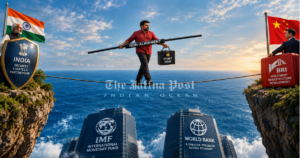

Sri Lanka’s future prosperity will depend on how effectively it positions itself within an increasingly complex global environment. At a recent LEADS Forum discussion, veteran diplomat Prasad Kariyawasam, former Secretary to the Ministry of Foreign Affairs, High Commissioner to India, Ambassador to the United States, Ambassador/Permanent Representative to the UN in New York and Geneva, outlined the strategic choices Sri Lanka must make to secure long‑term stability and economic advancement.
Kariyawasam offered a rare blend of historical perspective, diplomatic experience and practical guidance. His central message was clear: Sri Lanka must exercise strategic agency engaging all major partners, while safeguarding its national interests.
Foreign Policy as an Extension of National Aspirations
Foreign policy, Kariyawasam emphasised, is inseparable from domestic priorities, “Foreign relations often reflect the medium and long-term aspirations of a country’s people and its leadership.”
Governments must therefore craft external relations that reflect the public’s economic and social expectations, avoiding short-term political impulses that undermine long-term national interests.
For a small nation, foreign policy cannot be symbolic or personality‑driven. It must be purposeful, pragmatic and directed towards the security and prosperity of the people.
A History of Global Connectivity
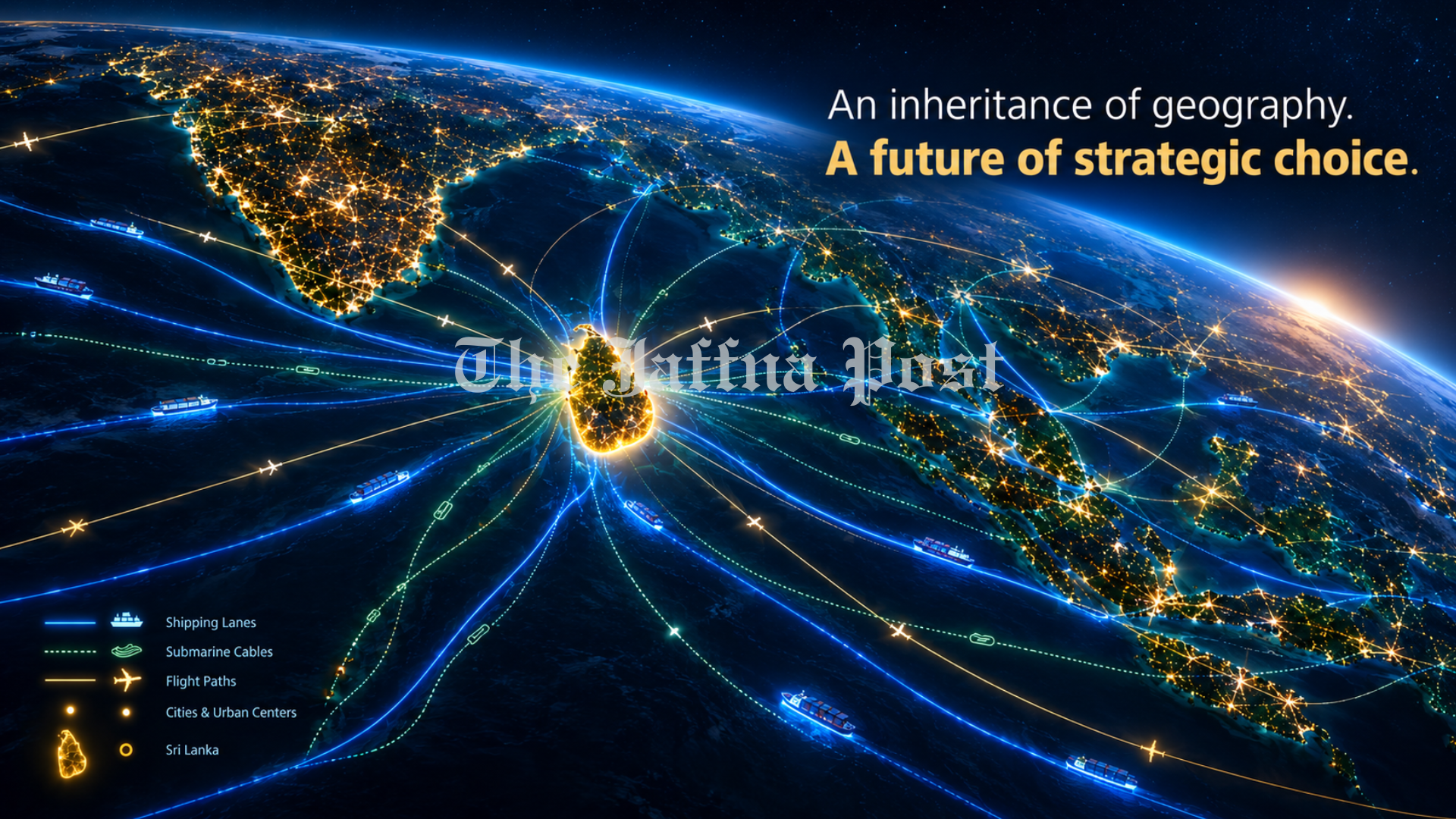
Sri Lanka’s history demonstrates that the island has never been isolated. From ancient ties with India and Southeast Asia to Arab, Persian and Chinese maritime networks, the island prospered when connected to the wider world. We must realise he stated, that “Geography creates opportunity, but geography alone does not create prosperity.”
Institutions, infrastructure and policy determine whether geographic advantage becomes economic success. Colombo’s emergence as a cosmopolitan trading hub and Galle’s role as a resupply station for Indian Ocean shipping in colonial times, illustrate how deeply Sri Lanka has been embedded in global commerce for centuries.
Lessons from Asia’s High Performers
Kariyawasam highlighted the experiences of Japan, South Korea, Taiwan, Singapore and Vietnam. Their paths differ, but their success rests on common foundations:
- Investment in human capital and infrastructure
- Merit‑based institutions
- Integration into global markets
- Attraction of investment and technology
- Export‑oriented industries
- Strategic engagements with both China and Western economies
The lesson for Sri Lanka is not imitation but continuous adaptation and constructive integration with the global economy.
India: Sri Lanka’s Closest Major Partner
India’s transformation into a global economic power presents Sri Lanka with both opportunity and responsibility. India is already Sri Lanka’s largest source of tourism and a major investor. Kariyawasam states, “The larger question is how effectively Sri Lanka can participate in and benefit from India’s growth.”
A partnership should encompass modern, more open pathways for trade, investment, logistics, energy, technology, digital services, education and professional mobility. Asymmetry between the two economies must be handled with maturity and foresight, seeking special and differential treatment.
China and Other Global Partners
China remains a significant economic partner. Sri Lanka must avoid viewing this relationship through a zero‑sum lens. The goal should be productive and transparent engagement, ensuring better terms of trade and meaningful technology transfer.
Equally important, relations must be nurtured with the United States, European Union, United Kingdom, Japan, Australia, ASEAN and the Gulf. All these relationships can be vibrant partnerships that do not lead towards dependency but mutually beneficial pragmatic arrangements .
A Fragmenting International System
Global geopolitics is becoming more volatile. Trade tensions, wars, sanctions, supply‑chain disruptions, climate change and technological competition increasingly shape national security. We must realise, “Foreign policy cannot be separated from economic policy.”
Sri Lanka’s recent economic crisis demonstrated the importance of international confidence, access to finance and resilient supply chains. Energy security, food security, cybersecurity and digital infrastructure are now core elements of national strategy.
Strategic Agency: The Guiding Principle
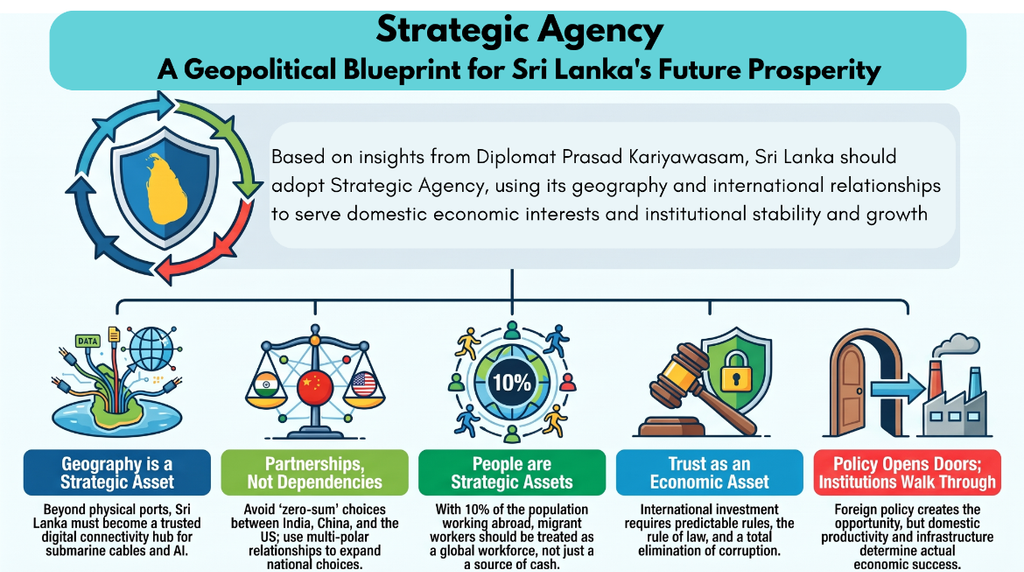
Sri Lanka must avoid becoming an arena for great‑power competition. Strategic agency means making decisions based on national interest, expanding Sri Lanka’s choices, not restricting them.
India is essential. China is important. The United States, Europe, Japan, Australia, ASEAN and the Gulf are important. The objective is a web of partnerships that strengthens resilience and autonomy.
Sri Lanka’s Strategic Assets
Location: Sri Lanka’s geography is a long‑standing advantage. Ports such as Colombo, Hambantota, Trincomalee and Galle can become specialised hubs, if connected to logistics, manufacturing, services and exports.
Digital Connectivity: Submarine cables, data centres, cloud services and cybersecurity are now as important as physical geography. Sri Lanka can turn its location into both a maritime and digital advantage.
Tourism and Natural Heritage: The focus should shift from tourist numbers to value creation—wellness, heritage, ecotourism, cruise tourism, education and MICE tourism.
Human Resources and Demographics: High literacy is no longer enough. Skills in technology, engineering, AI, logistics and advanced manufacturing are essential, especially with an ageing population.
Migrant Workforce: Migrant workers are a strategic asset, not merely a source of remittances. Bilateral labour agreements, skills recognition and diaspora engagement should be central to foreign policy.
Requirements for Sustained Prosperity
Sri Lanka’s future depends on:
- Peace and security
- Access to international markets
- Productive investment
- Skilled, productive workforce
- Modernised agriculture
- Higher‑value tourism
- Demographic preparedness
- Climate resilience
- Strong, predictable institutions
According to Kariyawasam, “Foreign policy can open doors. Domestic institutions determine whether we can walk through them.”
The Role of the State
Sri Lanka does not need a larger state, only a more capable one. Policy continuity, professional institutions, predictable regulation and reduced corruption are essential. Geography does not change; long-term national interests do not change. Intentional relationships built over decades should not be reinvented with each election cycle.
Building Trust Internationally
Trust is a strategic asset. Sri Lanka must be known as a country that honours commitments and maintains predictable policies. This is vital not only for diplomacy but also for investment and long‑term partnerships.
Avoiding Zero‑Sum Geopolitics
Sri Lanka does not need to choose between India and China, or between Asia and the West. The task is to identify what each relationship can contribute to national development while protecting sovereignty and freedom of decision‑making.
Conclusion
Sri Lanka’s geography is an inheritance, but prosperity is not guaranteed. The world is changing rapidly. Great-power competition, technological disruption, and climate vulnerability demand a foreign policy that is pragmatic, adaptive, and anchored in national interest.
Sri Lanka must build partnerships without dependencies, maintain strategic agency without isolation, and integrate with the global economy while strengthening domestic capacity.
“We cannot change where Sri Lanka is. We can, however, determine what Sri Lanka becomes because of where it is.”