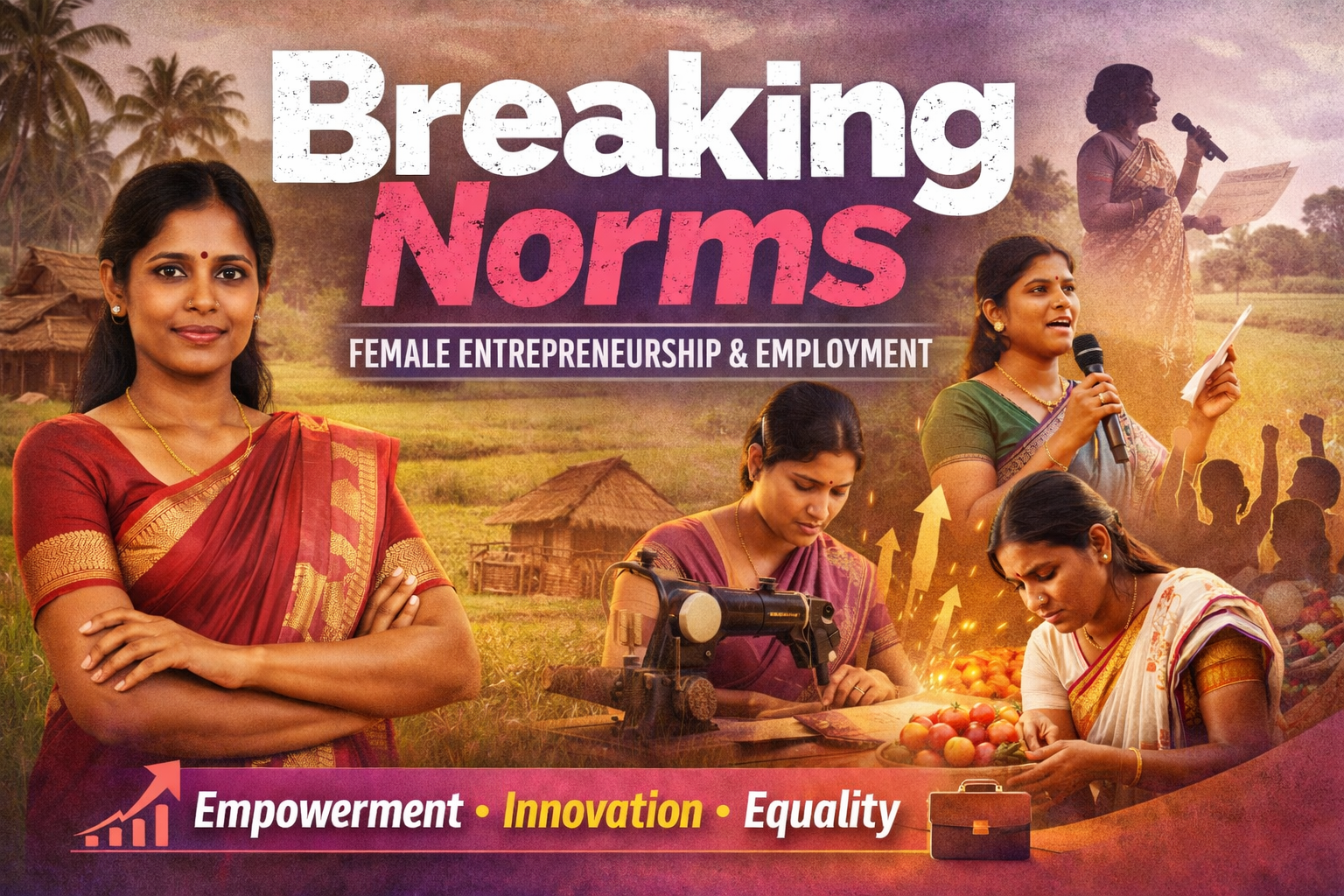

The women of Sri Lanka’s north need not prove their strength, resilience and capability. The grandmothers and mothers of today are those who endured the long drawn out civil war and came out victorious by simply surviving the horrors of that dark era.
They raised their children, often singlehanded in the absence of husbands, and eked out a meagre living doing whatever it took to ensure survival. It is no exaggeration to say they have an inbuilt survival mechanism and this stands them in good stead in today’s post war economic development scenario.
The Struggle
While the potential is tremendous, the struggle is real in the northern province. Whether educated or not, women entrepreneurs face a multitude of obstacles from the get-go, including:
- Poor access to credit, making finance the main problem
- Difficulty in accessing raw materials
- Difficulty marketing products outside of the northern region
- HR problems – limited availability of skilled labour, lack of dedication and commitment among the workers
- Infrastructure problems – unreliable power supply, inadequate space availability, inferior communication facilities
- Technological problems – absence of skills and training in using advanced machinery and equipment, no funds to purchase requirements leading to continued use of traditional old methods
- Inadequate government support – tedious procedures and bureaucracy
- Gender inequality – cultural and societal limitations placed on women in the north particularly war widows
- Work-life balance
A Consultant’s Confidence
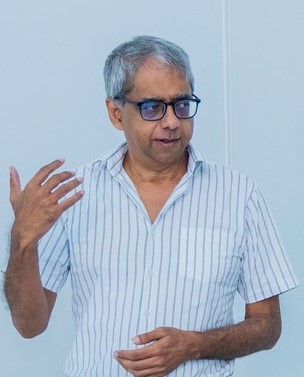
A Cambridge graduate, former Maths teacher in the UK and IT Consultant, Jekhan Aruliah has been based in Jaffna for the past ten years as a social entrepreneur and consultant. Being on the ground, he possesses first-hand knowledge of the hardships women face in their entrepreneurial journey.
He agrees that female entrepreneurs are an unrealised powerhouse. “I have seen many such women in the North, highly capable women all the way to experienced graduates, who if they were men would have got much further.”
Jekhan believes women are not taken as seriously as men by bankers, investors, buyers of their goods and services, or partners including suppliers, and trading partners. “Women, knowing they are not taken seriously by others, hold themselves back. Often we see women trying to be entrepreneurs in low value enterprises such as handicrafts, snacks, and sewing. With the same effort and discipline, they could move into higher value opportunities. The problem is the higher value opportunities need to be created for them to start with, and once the fire is lit then it will burn brightly by itself. Women rarely organise putting themselves in the top position.”
A Foreign Viewpoint
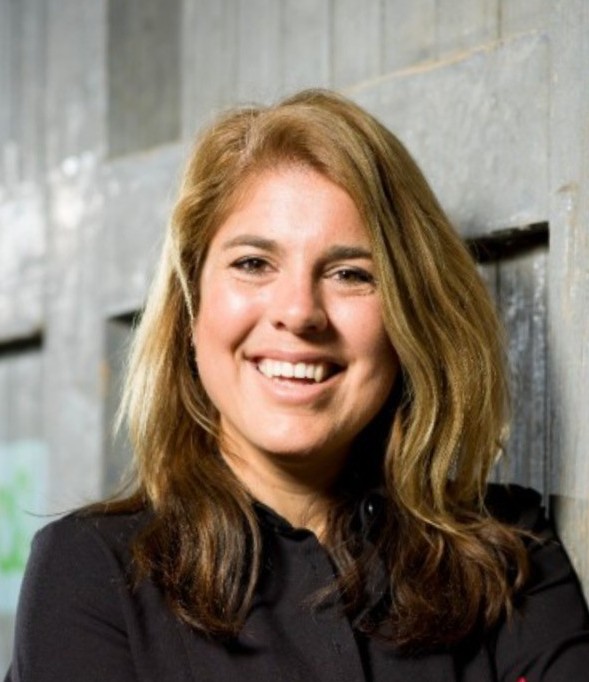
Swiss national Lieke Schröder is involved in foreign investment projects, project management, and investor guidance in Sri Lanka. With a strong understanding of the local landscape, she helps foreign investors navigate the complexities of doing business in Sri Lanka, building bridges between international expectations and local realities.
Lieke manages a 220-acre integrated agriculture project, S. K. Farm & Agriculture (Pvt) Ltd., located in Aliyavalai, between Kilinochchi and Jaffna. The project combines coconut farming, agriculture, and livestock development to support rural growth and sustainability. This work is deeply rooted in community development and the empowerment of women and youth. As such, the farm employs over 20 women, and focuses on developing their professional skills.
“In my experience, I see that women in the North are very strong and hardworking,” Lieke claims. “They do most of the physical work on our farm, often in the hot sun, for long hours. Still, their strength and potential are not fully recognised.
Sri Lanka is still a male-dominated society, and this is especially true in the North. Women often have to explain their actions and independence much more than men. Once, I saw a very sad situation where one of our female supervisors was hit by her brother just because she spoke with a male co-worker.”
She has observed that many women want to be independent and build their own future, but they face pressure from their families and village society. “People talk negatively about women who work or take leadership roles. They are expected to marry, have children, and stay at home. Some women on our farm have told me they wish they had the same freedom as women in Western countries. They want to break the rules and live differently.
When we started paying men and women the same salary, some men disagreed. We had to meet with the village and explain that we believe women and men deserve equal pay and respect.”
Lieke firmly believes women in the North have huge potential because they are resilient, capable, and eager to learn. If they are given equal chances and support, they can become a powerful force for economic and social change in Sri Lanka.
From Teenage LTTE Cadre to Successful Entrepreneur
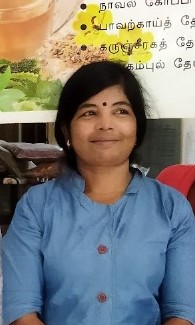
Traumatised by the military artillery shelling and bombardments raging around her and unable to focus on her studies, fifteen-year-old N. Kokilavany (Vany) dropped out of school and joined the LTTE on September 20, 1991,
After basic and advanced military training in Manal Aru, followed by participation in some battles, she was sent to Jaffna to become a military officer (MO). Despite training in heavy weapons, she was considered too young to be in the field and was taken out of the division and sent to learn English.
Though unhappy with being transferred, Vany had no choice. “To be honest, I hated learning, but I loved the LTTE movement so I didn’t have any alternative. If I didn’t carry out the order I had to go home, so I started to learn English. English teachers from public schools in Jaffna taught us English for three and a half years.”
While with the LTTE she was transferred to several divisions and was taught IT as well. As a result, she computerised all the details of the 2000 female cadres and the information was recorded in 84 cells for the database.
Vany left the LTTE in the latter part of 2005 for personal and family reasons and was faced with the daunting task of finding employment. Rather than let her past life cripple her, Vany used her mastery of English, a ‘gift’ from her time with the LTTE, to get a job with SAH Solidar, a Swiss NGO.
In 2009, after the end of the war, the military announced that if anyone had been with the LTTE even for a day, they had to surrender. If they did not surrender and were caught, the military could hold them for 20 years with any interrogation.
Vany, her mother and younger sister were sent to a welfare camp. Her father had died in an accident when she was 13. She had been scared of him and didn’t have the courage to ask his permission to join the LTTE while he was alive. Her elder sister had joined the LTTE and died in battle. She was Vany’s inspiration. By 2009 everyone had to be in the movement and her brother who was conscripted, died on the second day.
“I was so scared so I surrendered and I was detained for one and a half years. The military there consisted of female army soldiers and there was a language barrier between the army officers, so they used me as a translator. I was released on October 15, 2010.
It’s a pity I didn’t have any certificates, so it was very hard for me to get a job. But I was able to communicate, so I applied for a translator job at a demining agency, Mines Advisory Group (MAG). I became a translator for a Technical Field Manager (TFM). It was a contract job renewed every year. Eventually that came to an end and I realised I had to survive.”
In 2015, Vany took the bold decision to contest in the 2015 elections under the Tamil National People’s Front (TNPF), an experience that left her disillusioned with politicians and political parties. In addition, her husband didn’t support her in politics.
With a background in IT and he wanted to start a business. Vany provided the shape and form for Possible Green (PVT) Ltd Sri Lanka, which she incorporated in 2016. The name suggested by her husband resonated, because as she says, the colour green always gives a good feeling and green equals prosperity!
Possible Green specialises in herbal health drinks for blood sugar control, weight loss, pain relief, hypertension, cholesterol and skin care. Products under their ‘Lifetone’ brand include Gymnema sylvestre, Garcinia cambogia, moringa, ginger, cinnamon, cardamom, holy basil, hibiscus, mango leaf, lime leaf and orange leaf herbal drinks and green tea blends.
“From the beginning, I could see the potential since we have a lot of resources in Kilinochchi – herbs, leaves, flowers, roots etc, and there’s plenty of space to grow – for instance, the ranawara flower grows abundantly. We have different categories. Our spicy teas (cinnamon, cardamom, ginger, nutmeg) have black tea leaves included. Some ingredients like black tea, ahimsa, and some spices come from the south. With hibiscus tea or guava tea for instance, we don’t mix with anything. All items are manufactured without any form of preservative, artificial flavours or colours.”
In 2017, Possible Green participated in an exhibition where various banks visited and were attracted by their products. At the suggestion of the SDB Bank regional manager, Vany applied for a loan and obtained Rs 1.5 M, which was used for working capital and office restructuring and was settled on time. The second SDB Bank loan amount was Rs 2.5 M. sanctioned under the refinancing scheme at 4% interest rate and was paid back in 18 months.
In 2018, the company participated in a three-day exhibition in Jaffna, which gave them exposure about the likes and tastes of consumers. Today, though they have an inventory of 120 items in three categories, they don’t maintain all in stock, producing teas only on demand. Initially, bulk shipments were sent to the UK office and from there sold on eBay, then Amazon, and the response was very good until the economic crisis.
From the outset, one of Vany’s goals was to provide employment for women, including war widows and former LTTE cadres like herself. “Typically, women are dependent on their parents, then their husbands, then their children, but they need to be financially independent, only then can they think beyond their limitations. I started with two women, and the number increased to 15. Most of them have never been to school. They never imagined they could have a job and draw a monthly salary. All of them are war victims, and three of them are disabled ex LTTE cadres.
The first thing I look at is their financial situation, whether they are living in poverty, and if the answer is yes, I don’t think beyond that. I recruit them for sorting, cleaning and processing which don’t require an educational capacity. For the administrative sector however, there has to be some qualification.”
In 2022, when Sri Lanka was hit by its economic crisis, Vany found herself in a bind. She could not bring herself to terminate her employees so she continued paying staff for 24 months despite no revenue, desperately hoping things would turn around. Orders from Canada and UK started decreasing and then came to a halt.
Today, Vany still faces financial burdens. “I would like to strengthen the business locally. The positive thing is I’m in touch with more foreign buyers now. It’s a tough time but it won’t last forever, and I will overcome in a period of time.” Beyond herbal teas, her future plans include essential oils and herbal cosmetics.
As an entrepreneur who came from a challenging background and who has been through difficult times, Vany’s advice to other women is, “Strengthen yourself not just financially, but develop leadership skills, learn a second language because that gives self-confidence. Because of my knowledge of English and my IT skills, I have the confidence to overcome most issues.”
Creating Spaces to Grow and Thrive in the North

Though not yet 30 years of age, Sarmila Sivaraja has already made a name for herself by becoming the first person to introduce the coworking space concept to Jaffna. Entirely self-funded, thanks to her prolific habit of saving, Sarmila now owns and runs 2SF Labs in Velvitithurai and Chunnakam.
2SF Labs offers a dynamic environment where freelancers, entrepreneurs, startups, and remote workers can work, connect, and grow as a community. Equipped with all amenities, 2SF Labs provides everything the north didn’t know it needed.
Born and raised in Valvettithurai, and educated at Uduppiddy Girls’ College, Sarmila obtained a Bachelor’s in Computer Science and Software Engineering from SLIIT in 2021. After graduation, she had short stints at SLIIT Academy, Virtusa, and startup Intaap as a software engineering associate.
From the time she was 19 years old however, Sarmila aspired to be an entrepreneur. “From 2016 onwards, my dream was to start my own business and create my own product-based IT solution. At the time, I didn’t have any idea about the term ‘startup’. My reality at the time was a 9-to-5 job and family matters, so up to 2024, I worked in companies.”
She didn’t want to have regrets about not launching a startup because even if she failed, she could always revert to the mainstream IT sector.
“I chose Coworking Space mainly since as a software engineer, I also work remotely. It’s hard to be isolated working from home and not knowing what’s going on out there. It’s difficult to meet new people, and make connections. I felt the Coworking Space concept provides all these options; you can find space to work, you can get to know new people, you can get to build your own community.”
Before launching 2SF Labs, Sharmila did her due diligence and research, conducted interviews and talked to a few startups in north. “The concept of Coworking Space is quite new here in the north so it took so time to explain how it works. For example, if someone needs a quiet place to have an audio or video call, they can get an hourly or a day pass for longer periods of work or person to person meetings.”
For her first location in VVT she looked at unutilized buildings and found an IT Centre that had shut down after COVID. For the second branch, she met someonethrough her network, who knew about co-working space and he offered her the chance to try Chunnakam.
Sharmila had observed that in Jaffna, there aren’t many community activities, clubs or groups where people can meet, build connections and find and share new opportunities. She also anticipated using the Coworking Space for her own team when she builds her own IT solution.
“My dream is also to create a product-based IT solution. I’m still doing some research and case studies. It will be a skill-sharing platform, because once I expand my brand there will be so many resource people. I want to connect all the dots in one platform to share all of these resources.”
Though Sarmila has started small as an independent player, she has a long-term plan to expand 2SF Labs to other parts of the island. Because she is self-funded, she estimates up to two years more before launching the next branch.
She may be young and new to the entrepreneurship game, but Sarmila offers solid advice to those wanting to start their own business. “I recently had a session at the University of Jaffna and what I found when talking to the undergraduates, is that they have a fear of failure. Well, I too had that fear of failure, the fear of people’s comments and reactions. I still haven’t got rid of it 100%, but I am ready to face anything. So, what I tell them is, don’t regret anything. If you want to do something, just try it out. Be ready to fail and be ready to accept your success. Once you try it out, then you can know your potential. Nothing happens in a day!”
However, her most common-sense advice is, “Don’t quit your job to launch your startup. You can manage both.”
Sarmila recognizes that Jaffna is still fairly conventional and traditional, so even though there are many girls in the IT field and they are ready to work, lack of family support is often an obstacle. According to her, one of the most important ingredients for a woman’s entrepreneurial success in the northern culture is family support. Her father passed away two years ago, so today it is just her mother, sister and a younger brother following higher studies. Most extended family members on both sides passed away during that war. Her mother and siblings’ support are central to her success.
“After starting 2SF Labs, I had the opportunity to connect with Yarl IT Hub, one of the most active and vibrant communities in Jaffna. There, I gained a strong network and valuable mentorship that helped me grow my startup.
I also met Jekhan Aruliah, who was the first to highlight that a woman had founded a co-working space in Valvettithurai. He knew about the co-working space concept even though he didn’t know me personally. That kind of networking is very important.”
Sarmila is inspired by the success of Barista and their rapid expansion around the country and aspires to replicate the model. “I want to scale up 2SF Labs as I want to create opportunities for my society and the next generation too. I also aim to expand our coworking space facilities beyond Jaffna, reaching more regions and scaling up our impact, connecting all the dots into one line.
A Helping Hand to Drive Empowerment
Sri Lanka, the north in particular, continues to be fortunate to receive assistance, training and networking opportunities from countries like the US, UK, Germany, Australia and Canada.
In 2024 for instance, the UK-Sri Lanka Trade Mission together with the ‘SheTrades Commonwealth+’ initiative conducted a programme in Jaffna, connecting women entrepreneurs with UK buyers and showcasing their export potential, a key step towards developing Sri Lanka’s underrepresented regions. The Agri-food and apparel sectors were of particular interest.
Also in 2024, World University Service of Canada (WUSC) held its first entrepreneurial ecosystem events in Colombo and Jaffna, under its newest project ‘Growth, Resilience, Investment and Training’ (GRIT) a gender-responsive entrepreneurial ecosystem development project in the North of Sri Lanka.
GRIT’s strength lies in its strong partnerships with leading organizations Hatch, Yarl IT, Lanka Impact Investing Network (LIIN), and DMZ. The involvement of these institutions bodes well for entrepreneurial development in the north, particularly with the emphasis they have placed on women and the acknowledgment of their crucial role in uplifting the region.
Meanwhile this year, Lanka Impact Investing Network (LIIN,) Sri Lanka’s first impact investment firm, officially launched the GRIT “Empower Pengal” (Empower Women) Program and the HNB-LIIN Innovation and Impact Entrepreneurship Development HUB in Jaffna. This is an initiative under the GRIT program, funded by Global Affairs Canada (GAC) and is a transformative initiative designed to empower entrepreneurs and drive socio-economic development in Northern Sri Lanka.
Research conducted by LIIN highlights the challenges faced by women entrepreneurs revealing that:
- 49% of female entrepreneurs struggle with securing capital and market access
- 55% believe that targeted entrepreneurship training is crucial for SME success
- 49% concur that women face greater challenges balancing work and family responsibilities compared to men
Looking Ahead
Effective and coordinated collaboration between the government and private sector, NGOs and Vocational Training authorities are essential to give the women of the North the push they need and deserve.
In 2025, the Women’s Chamber of Industry and Commerce (WCIC) marked its 40th year of empowering women entrepreneurs by establishing its Northern Chapter, a move that will further consolidate efforts to uplift and strengthen entrepreneurship in the Northern Province.
WCIC has in fact been actively supporting Women-Led Small and Medium Enterprises (WSMEs) in the North for the past two years through the German Asia-Pacific Business Association (OAV) as part of the German Business Membership Organisations (BMO) Partnership Program. WSMEs have benefited from skill development programs, market exposure, and expert guidance during this period.
Meanwhile, global diaspora investment back into the ‘homeland’ is needed and welcome. If one considers that every member of the global Tamil diaspora has, or had, at least one family member from the north, the act of giving back makes karmic sense.
Source: This article was originally published in the December 2025 issue of ‘Professional Manager’, a publication of the Postgraduate Institute of Management (PIM). https://profmanager.pim.sjp.ac.lk/view.php?doc=prof_manager_2025_12.pdf















If we expose the women based entrepreneurs, first we find out their cast and religion (refer to the book for Early Settlement in Jaffna written by Prof. Ragupathy) he mentioned the indexed pages what are the cast available in Jaffna peninsula. We got through based on the cast they must known skilled persons, technology, which area suitable for cultivation or farming, weather forecast and how to easily marketing.
The diaspora and NGOs will be started value added processing units each and every village based on the available cultivation or farming outputs under the investor’s supervision. The investor’s fixed the minimum price for farmers products and buy for sopt cash, then only they will be done the cultivation and farming activities continuously. Other wise you are pumping money continuously, they not bothered the same time stop or minimize the free rations and money given each and every month for low income people. Then only they will be come and do the work based for their income.