
The Jaffna man’s fondness for Morunga (Murungai / Drumstick) reflects more than taste: it is a heritage shaped by climate, tradition, nutrition and centuries of indigenous knowledge. Across the northern peninsula, Morunga symbolises resilience, wellbeing and the connection between land and sea at the heart of Jaffna cuisine.
A Tree Suited to Jaffna’s Soil
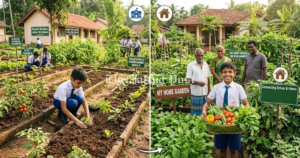
Jaffna’s dry climate and sandy coastal soils suit Jaffna Morunga, a hardy, fast-growing variety that needs little water or care. Families grow it in home gardens for a year-round supply of pods and leaves. Easy to cultivate, Morunga became one of the region’s earliest and most dependable sources of nutrition, despite the challenges of farming in arid conditions.
A Natural Partner for Seafood
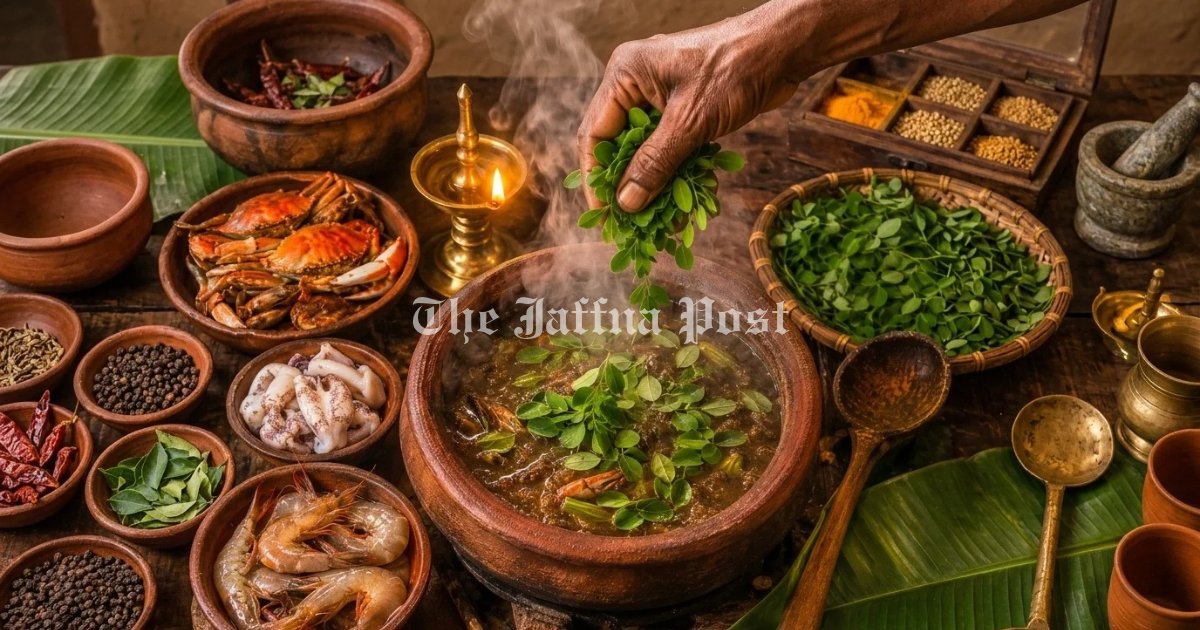
Seafood anchors Jaffna cuisine, with crabs, prawns, cuttlefish and reef fish featuring in everyday meals. Morunga helps balance this seafood-rich diet.
• Balancing seafood’s “Ushna” (heat): In Tamil dietary tradition, seafood is regarded as heat-producing, while Morunga leaves are considered cooling and supportive of digestion. In dishes such as Jaffna Crab Curry, the leaves help balance the meal and ease discomfort.
• An essential ingredient in Jaffna Kool: Morunga leaves give Odiyal Kool, a thick, spicy seafood broth, its finishing aroma and added nutrition. The pairing is so firmly rooted in local cooking that Kool feels incomplete without them.
Nutrition Across Generations
Long before supplements and fortified foods, Jaffna families used Morunga as a natural multivitamin. Research supports this tradition: the leaves are rich in vitamin A, vitamin C, calcium, iron, potassium, protein and antioxidants. Jaffna households have long used Morunga to:
- Strengthen bones and teeth
- Combat childhood malnutrition
- Provide nourishment for breastfeeding mothers
- Support immune health and energy
- Aid digestion
During hardship, Morunga’s dependable supply of nutrients helped sustain communities throughout the region.
Medicine in Every Leaf, Pod, Flower, and Seed

In Tamil culture, food and medicine are inseparable. Every part of the Morunga tree is used:
- Leaves for immunity, digestion, and inflammation
- Pods for energy and mineral intake
- Flowers for sambols and fried snacks
- Seeds for regulating blood sugar and even purifying water
Modern studies show moringa seed powder can remove up to 98.5% of microplastics from contaminated water. This deep medicinal tradition explains why Morunga appears in daily meals, temple offerings, postpartum diets, and Ayurvedic remedies across the North.
More than a vegetable, Morunga represents self-sufficiency, health and heritage. Easy to grow and deeply nourishing, it complements the spicy, seafood-rich dishes that define the peninsula.
A Taste of Home Abroad
For Sri Lankans abroad, Morunga evokes home: grandmother’s aromatic mallum, warming Kool and comforting crab curry. It recalls Jaffna’s ingenuity in making a simple tree central to nutrition, medicine and identity. To taste Morunga is to savour Jaffna’s history of resilience, resourcefulness and cultural pride.