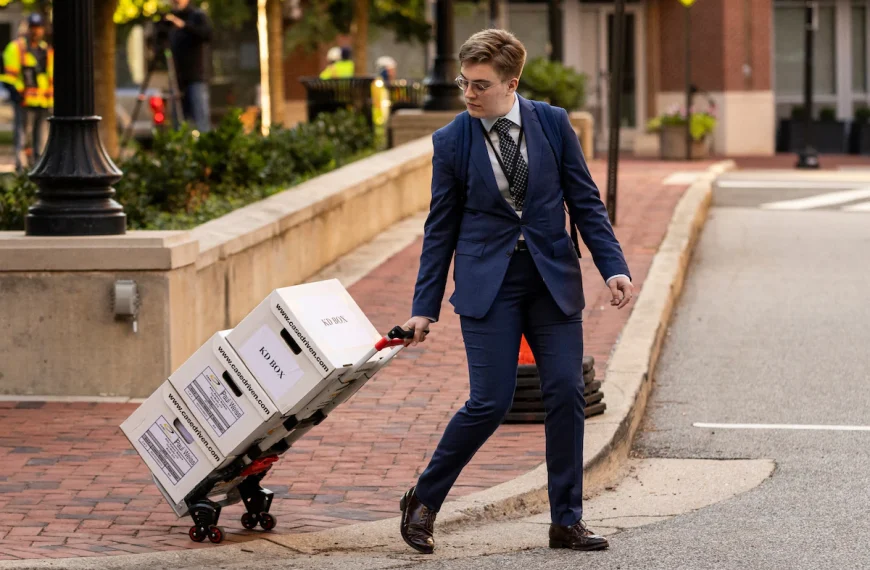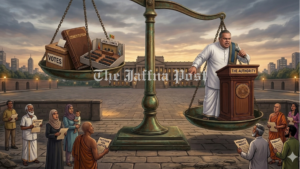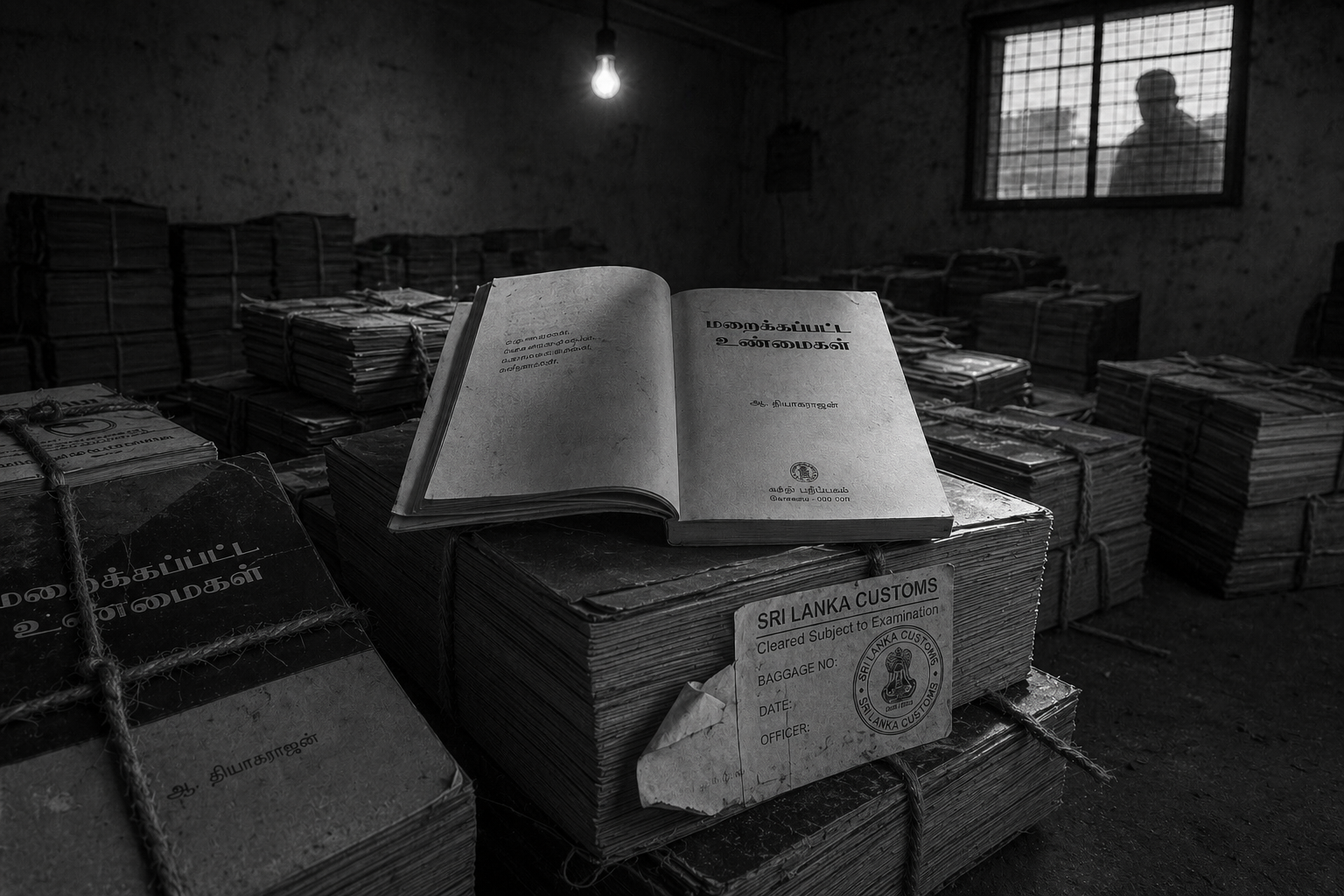

The controversy surrounding the seizure of copies of five books written by young Kilinochchi-based writer Theepachelvan Pratheepan by the Customs Department for several weeks has compelled me to share the following views.
In its 78-year history, independent Sri Lanka has navigated two armed insurrections by Southern youth and a three-decade-long civil war resulting from ethnic conflict. To this day, the exact number of those who perished remains unknown. The harrowing experiences of the victims have not faded from their hearts.
The Janatha Vimukthi Peramuna (JVP), which led those armed insurrections, has risen to power under the new avatar of the National People’s Power (NPP). However, the grievances of the majority youth have not yet come to an end.
As we approach 17 years since the LTTE was militarily defeated in the civil war, no solution has been found for the ethnic issue. Even the Provincial Councils, introduced 38 years ago following direct Indian intervention, have not functioned properly to this day.
In the North and East, thousands of families are agonizing, unable to know the fate of their loved ones who went missing during the war and its final stages. A vast number of families, unable to escape the aftermath of the war, continue to limp through life with physical and mental scars, unable to return to normalcy.
Following Black July of 1983 and the subsequent war, hundreds of thousands who fled the country now live scattered across various nations, bearing the identity of ‘Tamil Diaspora’, much like modern-day Jews.
Against this backdrop of tragedy, it is inevitable that the painful events of the past influence the works of socially conscious political analysts, journalists, academics, and artists from both the South and the North-East. Recent history cannot be buried in the earth.
It is heartening to see many journalists, artists, and civil society activists from the majority community raising their voices in support of Theepachelvan’s efforts to recover his books. Following a consultation at the Ministry of Culture, it is reported that a portion of his books has been released.
When observing the announcement by Cultural Affairs Minister Sunil Hiniduma Senavi—that the responsibility of reviewing Theepachelvan’s books for ‘adverse content’ would be handed over to several Tamil writers—the question arises; on what basis did the Customs Department decide to detain the books in the first place?
Many, including military officers, former militants, and journalists, have written books in all three languages about the Southern insurrections and the civil war. Everyone has written based on their own experiences. Some works have even been written in a manner that wounds the sentiments of specific ethnic groups.
Therefore, it is conducive to reconciliation that the leaders of a government, which itself has a history of armed insurrection, view creative works not through old benchmarks, but through the ‘new political culture’ they proclaim to bring.
There must be a collective principle to oppose anyone who manipulates the past to incite hatred between communities.