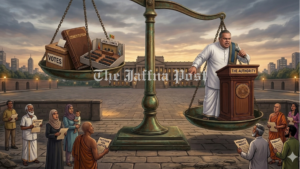
For nearly four decades, Sri Lanka’s former Presidents enjoyed a level of privilege unmatched by most democracies. These benefits, enshrined in the Presidents’ Entitlements Act of 1986, granted luxury at public expense: state-funded mansions, lifetime pensions, free vehicles with fuel, secretarial allowances, and even pensions for widows of Presidents.
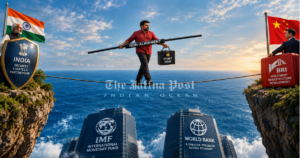
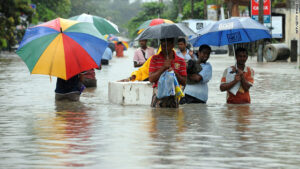
This generosity might have been tolerable in a wealthy nation. But in Sri Lanka — a country that has faced civil war, mounting debt, fuel shortages, medicine scarcities, and an IMF rescue — it became a glaring symbol of inequality.
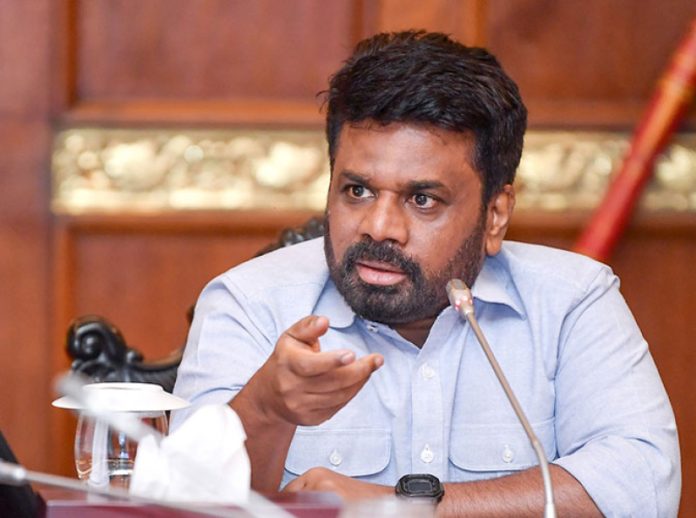
The National People’s Power (NPP) government has now taken the unprecedented step of repealing this law. The Presidents’ Entitlements (Repeal) Act strips away state-funded residences, allowances, pensions for widows, and the perks that allowed former Presidents and their families to live in comfort while ordinary citizens tightened their belts.
Why Sri Lanka’s system was excessive
Compared internationally, Sri Lanka’s pre-repeal benefits were extraordinary:
United States: Former Presidents receive pensions, staff funding, and lifelong security — but benefits extend only to the President and spouse, not widows decades later.
United Kingdom: Former Prime Ministers receive modest pensions and limited staff. No free houses or family pensions exist.
France: Benefits were scaled back in 2016 to prevent abuse.
India: Former Presidents receive a pension, a residence, and security, but at a fraction of Sri Lanka’s scale.
Australia: Former Prime Ministers are entitled to a pension and small allowances, but no official residences or family benefits.
In effect, Sri Lanka, with a struggling economy, was more generous to its ex-Presidents than many wealthier nations.
Why reform was overdue
The repeal is not merely about saving money. It is about reshaping the relationship between power and responsibility in Sri Lanka.
Fiscal Justice: Every rupee spent on luxury residences for former leaders is a rupee not spent on hospitals in Jaffna, schools in Batticaloa, or infrastructure in the South.
Ending Dynastic Privilege: Successive families have used politics as a gateway to lifelong privilege. Repealing these benefits sends a clear message: politics is temporary service, not permanent reward.
Restoring Public Trust: People lost faith in leadership during the economic collapse of 2022, when fuel queues and food shortages crippled daily life. Seeing former leaders enjoy luxury during that crisis deepened resentment. Removing perks helps rebuild trust in governance.
A New Political Culture: By confronting elite privilege, the NPP signals that it intends to treat leaders and citizens by the same standard.
The NPP’s political gamble and promise
The NPP’s decision to introduce this law is bold. Critics from older political families may frame it as vindictive, but the move carries long-term political weight:
It frees resources for public services at a time when every rupee counts. It changes expectations — future Presidents will serve knowing their privileges end with their term. It positions the NPP as a reformist force, distinct from the entrenched culture of impunity and privilege that defined post-war politics.
For Jaffna and the North-East, this is particularly significant. The Tamil community has long seen Colombo’s elite politics as a closed club, detached from people’s suffering. By dismantling one of the clearest symbols of privilege, the NPP signals its willingness to break with tradition.
A turning point for Sri Lanka
Sri Lanka’s former Presidents once lived like royalty after leaving office, even as ordinary citizens struggled for basic essentials. That chapter is now closing.
The repeal of the Presidents’ Entitlements Act will be remembered not only as an act of fiscal responsibility but as a turning point in Sri Lanka’s political culture. It tells future leaders: leadership is service, not entitlement.
If the NPP continues on this path, it could reshape Sri Lanka’s democracy — from one built on dynasties and privilege, to one grounded in equity, responsibility, and accountability.