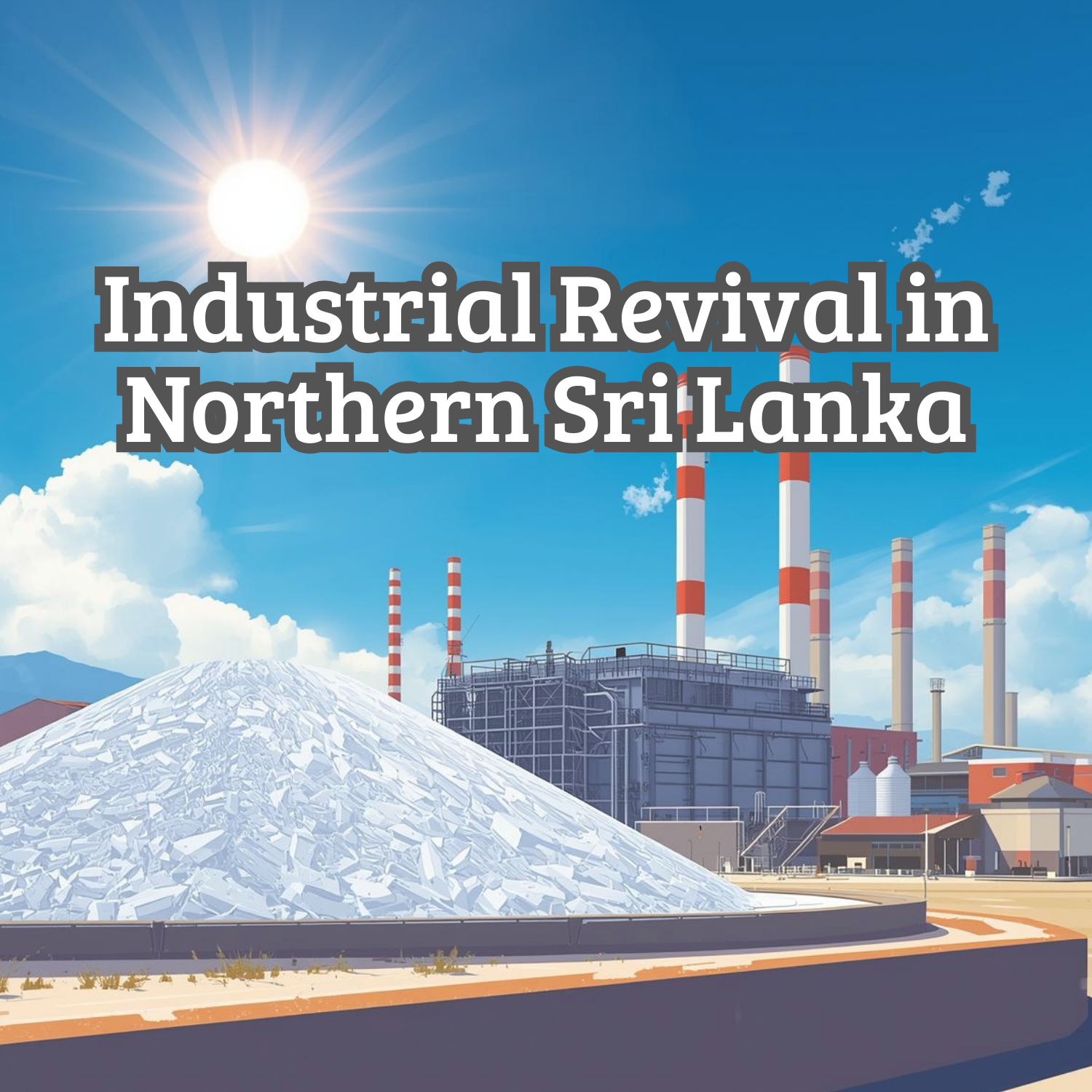

Revival of the Paranthan Chemical Factory
The Paranthan Chemical Factory, located in Kilinochchi District, was once one of Sri Lanka’s most important industrial facilities. Established in the mid-1950s, it produced essential industrial chemicals including caustic soda, chlorine, and hydrochloric acid.
The factory played a critical role in supplying chemicals for water purification, textiles, paper production, detergents, and sanitation industries. Operations ceased in 1985 due to the civil conflict in the Northern Province. Since then, Sri Lanka has relied heavily on imports for these essential chemicals.
Government Revival Strategy
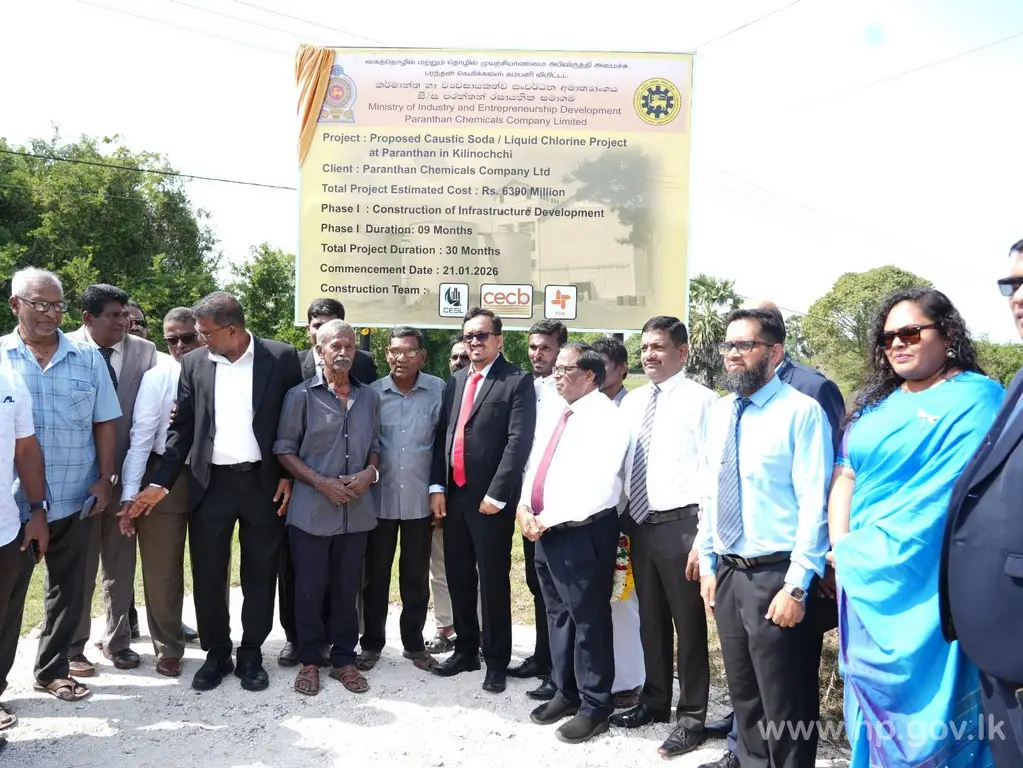
The Government of Sri Lanka has initiated steps to revive the facility under a Public-Private Partnership (PPP) model. Cabinet approval has been granted to invite Expressions of Interest (EOIs) from local and international investors to finance, design, rebuild, and operate a modern chlor-alkali production plant.
The revival plan includes modern electrolysis technology, environmental compliance systems, infrastructure rehabilitation, and workforce development. The investment is expected to run into several billion rupees.
Strategic Importance
The project aims to reduce dependency on imports, save foreign exchange, create employment in the Northern Province, and re-establish domestic industrial production capacity. The Government has also encouraged diaspora participation in this strategic industrial revival.
Revival of the Kurunchathivu (Elephant Pass) Saltern
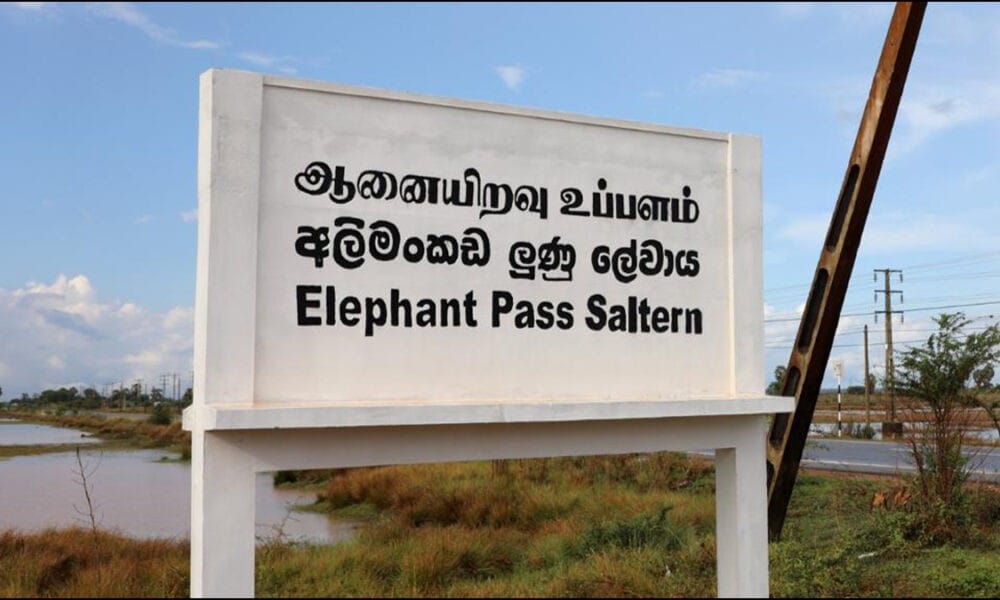
The Kurunchathivu Saltern, part of the historic Elephant Pass salt production system in Northern Sri Lanka, was once a major domestic supplier of salt for both consumption and industrial use. The facility became inactive during the civil conflict.
Salt from this region historically supported both domestic needs and industrial activities, including chemical manufacturing at Paranthan. The prolonged war led to infrastructure decay and economic stagnation in the area.
Government Revival Plan
The Government is reviving the saltern under a Design, Build, Finance, Operate, Maintain and Transfer (DBFOMT) model within a PPP framework. Expressions of Interest have been invited from qualified local and international investors.
Investors will be responsible for rehabilitating salt pans, building modern processing facilities, financing capital investments, operating the saltern commercially, and eventually transferring it back after the concession period.
Strategic Impact
The project aims to ensure national salt self-sufficiency, reduce imports, create employment in coastal communities, and support the broader Northern industrial ecosystem, including chemical manufacturing revival.