An urgent appeal to professionals, intellectuals, the diaspora and community leaders to work with the Northern Province Governor to establish more accessible help centres
The recent disclosure that 80 people died by suicide in Jaffna District within a period of only three months demands far more than expressions of sadness. It requires immediate, organised and compassionate action.
According to the Northern Province Governor’s Office, medical specialists meeting on 11 August 2026 expressed serious concern about the situation. Officials reported an approximate suicide rate in Jaffna of 30 per 100,000 people, compared with a national figure of approximately 15 per 100,000, with particular concern about young people and women.
These figures should be treated as an alarm for the entire Northern community. Behind every number was a human being. Behind every death is a grieving family. And behind many such tragedies may have been an opportunity when somebody could have listened, intervened, protected or connected that person with professional assistance.
The question before us therefore should not simply be, “Why is this happening?” We must now ask: “What can we collectively do to prevent the next death?”

The Governor’s intervention is an important beginning
The Northern Province Governor has already convened relevant officials and medical professionals and called for coordinated action. This should be welcomed.
The Governor’s Office reported concerns relating to alcohol dependency, domestic violence, weakening family relationships, psychological and social pressures and inadequate continuous monitoring and counselling of vulnerable people.
But government institutions cannot solve such a complex problem in isolation. The present situation provides an opportunity for the Governor to bring together government institutions and the enormous intellectual and professional capacity that exists within Northern Sri Lanka and throughout the global Tamil community. That partnership should now be established urgently.
Appeal to intellectual and professional community
I particularly appeal to psychiatrists, psychologists, doctors, nurses, counsellors, social workers, academics, university lecturers, teachers, lawyers, public-health specialists, women’s protection specialists, addiction specialists, youth workers, retired professionals, business leaders and experienced community workers.
Many of you possess knowledge and experience that could save lives. This is the moment to come forward.
Rather than limiting our discussions to WhatsApp groups, Facebook discussions, seminars and observations about what government has failed to do, professionals with relevant expertise should consider approaching the Governor of the Northern Province and offering practical assistance.
Ask the Governor: “How can we help?” Offer expertise, training, professional supervision, research assistance, time and, where appropriate, financial and technological support. The objective should not be to criticise government from outside but to create a partnership that strengthens the services available to vulnerable people.
Establish Help Centres across the North
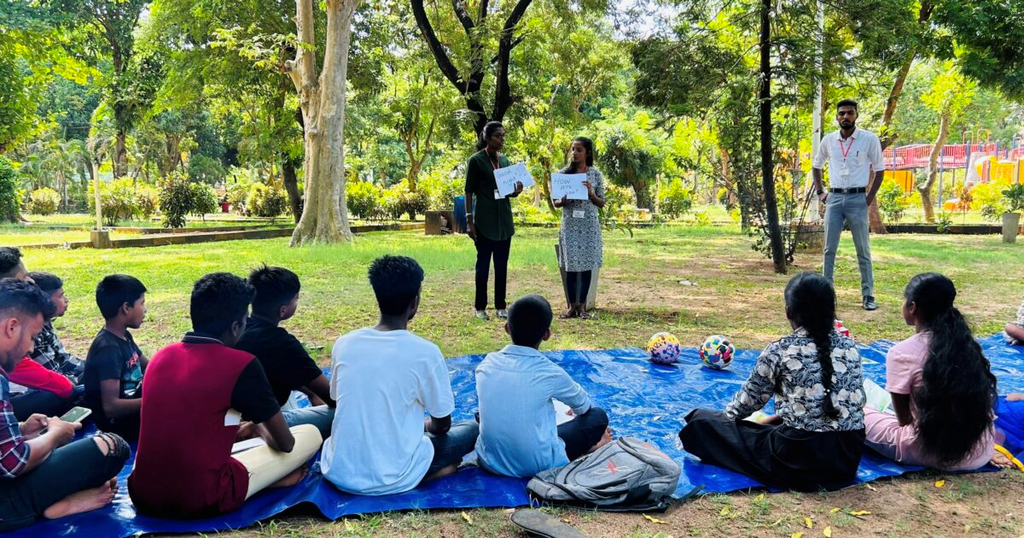
One of the most practical steps would be to establish a network of easily accessible Community Wellbeing and Life Support Centres.
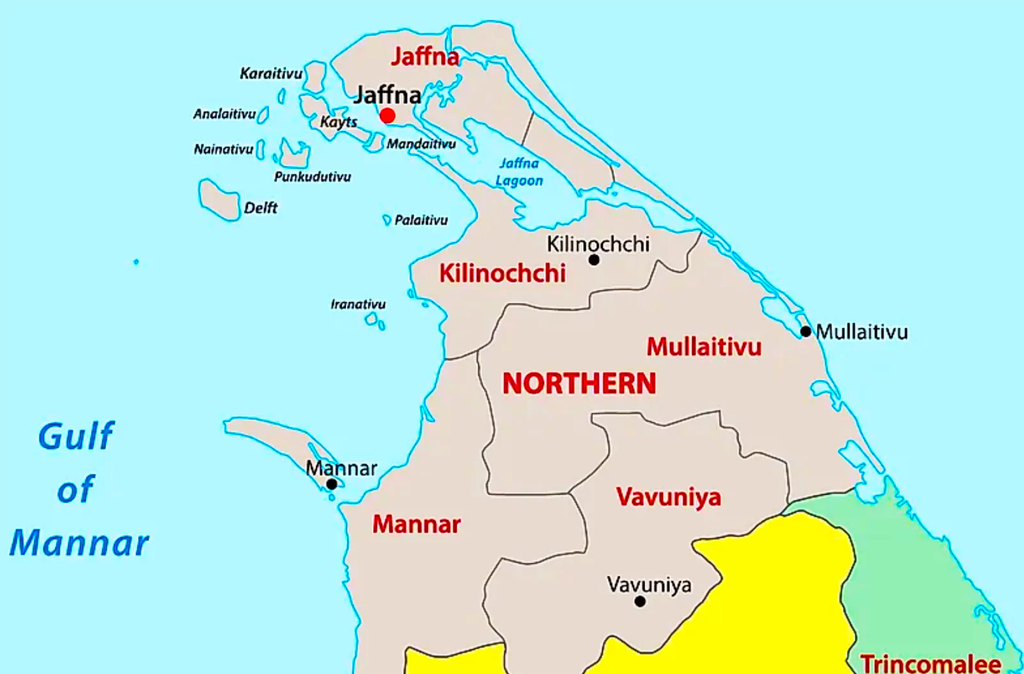
We should begin urgently in Jaffna and progressively expand throughout Jaffna, Kilinochchi, Mullaitivu, Mannar and Vavuniya.
These centres should not be intimidating institutions labelled only for people with psychiatric illnesses. They should be welcoming community spaces where anyone experiencing emotional distress, family conflict, domestic violence, loneliness, unemployment, financial pressure, alcohol-related family problems, educational stress or other serious difficulties can walk in and say: “I need someone to talk to.”
Sometimes that first conversation can be the beginning of saving a life.
People must know where to go
A major weakness in many communities is not necessarily the complete absence of services. It is that ordinary people often do not know where to go, whom to telephone or whom they can trust when a crisis develops.
A person in distress should not have to search through government departments trying to determine whether they need a psychiatrist, counsellor, social worker, police officer or another service. There should be one recognisable doorway into the support system.
The help centre can become that doorway. After an initial assessment by appropriately trained personnel, the person can be referred to qualified psychiatrists, psychologists, medical practitioners, counsellors, domestic-violence services, addiction treatment, social services or emergency medical assistance depending upon the circumstances.
A Help Centre must be more than a counselling room
We should avoid creating centres that merely put up a signboard, employ one counsellor and consider the problem solved. A proper community help centre should operate as part of a wider referral network.
Someone experiencing domestic violence may need protection and legal assistance. Someone experiencing severe depression may require specialist medical assessment. A young person struggling at school may require psychological, educational and family support. A person affected by alcohol dependency may require rehabilitation. A family overwhelmed by unemployment and debt may need social and livelihood assistance as well as counselling.
Mental-health intervention must therefore connect health services with people’s real-life circumstances.
Strengthen 24-Hour Support
Emotional crises do not occur only between 9 a.m. and 5 p.m. Northern authorities already operate the 24-hour Neyam counselling service on 021 222 6666, according to the Governor’s Office. That service should be strengthened and widely publicised.
Its number should become familiar throughout the North and displayed, where appropriate, in hospitals, schools, universities, workplaces, public offices and community facilities.
But telephone assistance must also connect people to physical services. When someone requires urgent professional intervention, there must be a clear pathway from the telephone call to appropriate local assistance.
Help before the crisis — not only Afterwards
Our present system too often becomes involved after someone reaches an emergency department. Prevention must begin much earlier.
Families, teachers and community workers can be trained to recognise serious changes in behaviour and know where to seek qualified assistance. They should never attempt to diagnose mental illness themselves. Their responsibility is simply to recognise: “This person may need help.” They can then connect that individual with someone professionally qualified to assess the situation.
Nobody should be forgotten after an attempt
One particularly important area identified by Northern authorities is the weakness in continuous monitoring and counselling following periods of serious risk. This must change.
When somebody survives an attempt or is professionally assessed as being at significant risk, there should be an appropriate follow-up pathway after discharge from hospital. Subject to professional judgement, safeguarding and privacy requirements, somebody within the system should know whether that individual remains connected with care.
The most dangerous gap may sometimes occur after the immediate emergency appears to have passed.
Special attention to women and youth
The reported increase among women and young people deserves particular attention. Domestic violence cannot simply be regarded as a private family matter when someone’s safety or life may be at risk.
Women experiencing violence require confidential access to counselling, protection, legal assistance, safe accommodation and social support.
Young people face different pressures: education, employment uncertainty, family expectations, relationships, isolation, bullying and social-media pressures. Schools and universities therefore need confidential referral mechanisms connecting vulnerable young people with qualified professionals.
Diaspora’s important role
Northern Sri Lanka possesses something very valuable: an enormous professional diaspora. Across Australia, Britain, Canada, Europe, the United States and elsewhere are Northern Sri Lankan psychiatrists, psychologists, doctors, nurses, academics, counsellors, social workers and other professionals.
We have spent decades sending financial assistance to Sri Lanka. Perhaps the greatest contribution some people can now make is not simply money. It is knowledge.
I appeal to qualified diaspora professionals to consider contributing several hours each month to a properly governed programme in cooperation with local professionals and authorities. Their contribution could include professional education, training, research, programme development, supervision within appropriate professional frameworks, technology and fundraising.
Overseas professionals should not replace locally regulated clinicians or casually diagnose vulnerable people online. Their expertise should strengthen sustainable local capacity.
Create a Governor’s expert advisory council
I respectfully propose that the Governor consider establishing a Northern Mental Health and Life Protection Advisory Council.
It could bring together experienced psychiatrists, psychologists, public-health specialists, university representatives, social workers, education specialists, women’s protection experts, addiction specialists, youth representatives and appropriately qualified diaspora professionals.
The Council could advise on establishing community help centres, identifying professional-resource gaps, improving crisis and referral services, strengthening follow-up, training community workers, supporting women experiencing violence, developing youth mental-health programmes, strengthening addiction interventions and measuring whether interventions are actually reducing harm. This should be a professional advisory mechanism rather than another political committee.
A Public-Private community partnership
Government should provide leadership, infrastructure and funding. Universities should contribute research and professional expertise. Hospitals should provide clinical leadership. Businesses and philanthropists can sponsor facilities and programmes. Diaspora professionals can contribute expertise and resources. Community organisations can help identify people who are isolated, and trained volunteers can help connect vulnerable individuals with professional services.
Nobody should attempt to replace the professional mental-health system. We should strengthen it.
Remain above politics
This issue belongs to no political party. Mental distress does not distinguish between political affiliations. Neither should our response.
I therefore appeal to all Northern political representatives to support the Governor and health authorities in developing a common prevention programme and obtaining sufficient resources from the Central Government.
There will be plenty of opportunities for political disagreement. Saving lives should not be one of them.
From discussion to action
The North does not need another conference where everyone speaks about the problem and returns home. We need measurable action.
Within the coming months, it should be possible to identify professional volunteers, map existing services, establish an expert advisory mechanism, strengthen the existing 24-hour support system and begin creating community help centres in areas of greatest need.
Every centre should have clearly defined referral procedures and links with hospitals and qualified professionals. Every programme should be evaluated, and the public should periodically be informed, using anonymised information, whether the intervention is working.
Appeal to the Governor
I respectfully appeal to the Governor of the Northern Province to open the door to professionals, academics, intellectuals, community organisations and diaspora experts who are prepared to contribute constructively.
Create a mechanism through which they can register their expertise. Bring the best people around one table. Identify where services are missing. Establish additional community help centres. Strengthen the existing services. And create a coordinated Northern network capable of reaching vulnerable people before they reach the point of no return.
Appeal to our professionals
I also appeal directly to our intellectual and professional community: please come forward. If you are a psychiatrist, psychologist, doctor, counsellor, social worker, academic, teacher or another appropriately qualified professional, consider what you can contribute. Contact the relevant Northern health authorities and the Governor’s administration.
Do not wait for somebody else. Even a few hours of professional contribution, when properly organised, could strengthen an entire community service.
Let the 80 lives become a turning point
We cannot change what has already happened. But we can decide what happens next.
If 80 deaths in three months do not move our institutions, professionals, political representatives, diaspora and community organisations into collective action, what number will? Let this be the moment when the North moves from mourning to prevention, from isolated services to coordination, and from discussion to action.
Every vulnerable person should know: There is somewhere I can go. There is someone who will listen. There is professional help available. And my life matters.
The most meaningful tribute we can give to those lives already lost is to build a system capable of protecting the next person who reaches out for help.
Let us work together with the Governor, health authorities and our professional community and establish that system now.
| 24-HOUR SUPPORT IN THE NORTHERN PROVINCE Neyam Counselling Service: 021 222 6666 |
Issued on behalf of Well Wishers of Tamils in Sri Lanka (WTSL) and Global Connectivity & Development Alliance (GCDA) by Raj Sivanathan, International Coordinator – WTSL /Founder/Convenor – GCDA
Publication note
Key figures and service information referenced in this article are based on the Northern Province Governor’s Office statement of 11 August 2026 concerning coordinated action to prevent deaths resulting from impulsive decisions in Jaffna.