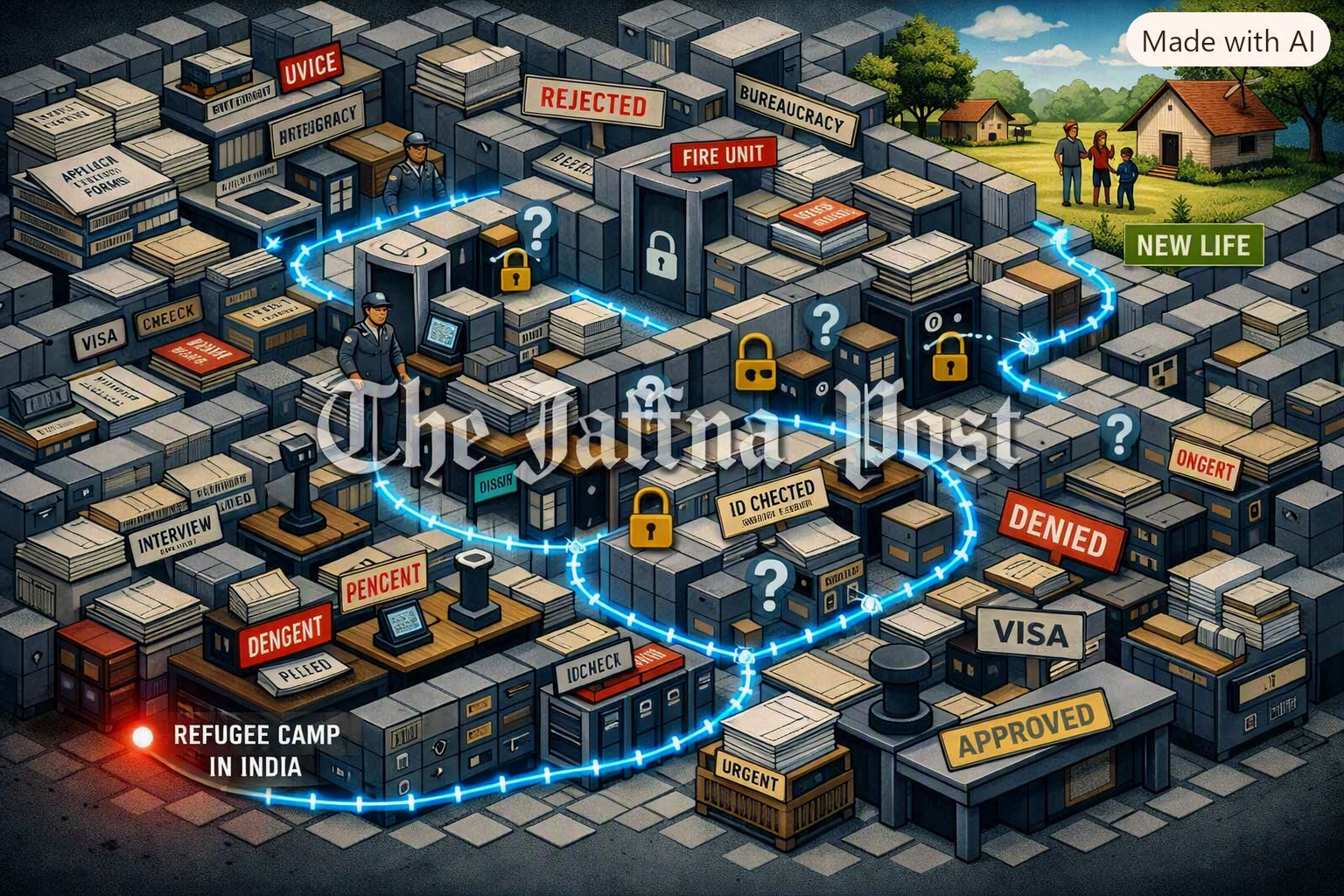

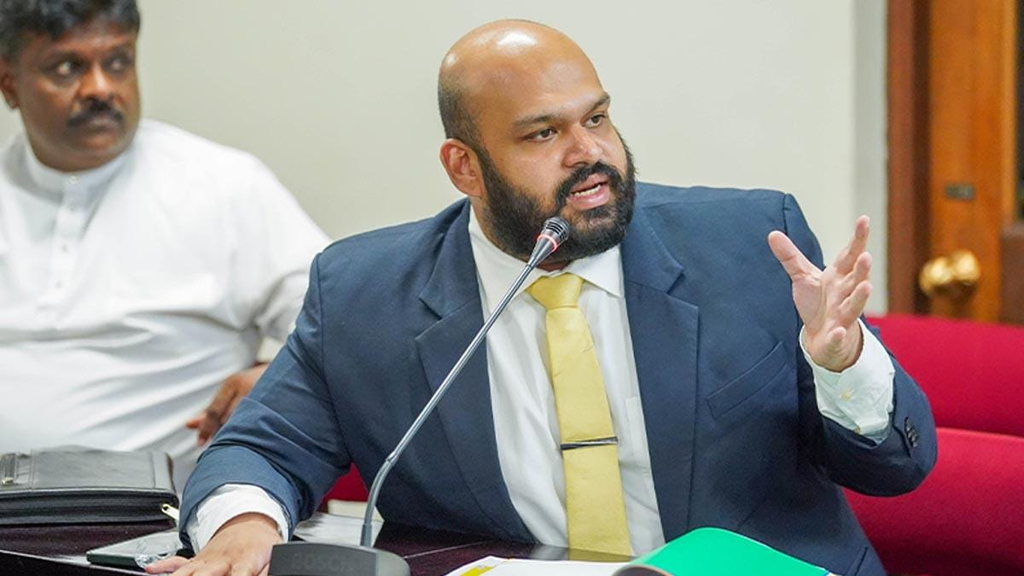
The recent intervention in Parliament by Batticaloa District MP Shanakiyan Rasamanickam has brought renewed attention to an important humanitarian issue that Sri Lanka can no longer afford to handle through bureaucracy, uncertainty and political promises: the safe and dignified return of Sri Lankan Tamil refugees who have lived in India for decades.
Many of these families did not leave Sri Lanka by choice. They fled during years of war, violence, displacement and insecurity. Some left with little more than the clothes they were wearing. Others travelled without passports or through unofficial departure points because normal procedures were simply not realistic during the conflict.
Decades later, Sri Lanka must not treat these people as strangers seeking admission to the country. Where their Sri Lankan citizenship is established, they are citizens returning home. That distinction should guide government policy.
A welcome development but implementation matters
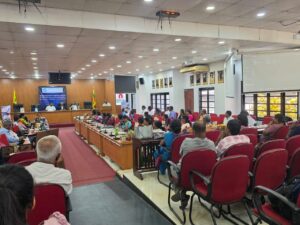
On 19 August 2026, Mr. Rasamanickam raised the matter in Parliament with Minister of Public Security and Parliamentary Affairs Ananda Wijepala. According to the Minister’s response, steps are being taken to remove legal obstacles faced by Sri Lankan citizens who left during the conflict and subsequently travelled to India without departing through recognised ports or airports.
This is an important development and should be welcomed. But changing a regulation, obtaining Cabinet approval or issuing instructions to the Department of Immigration and Emigration is only the beginning.
The real test is whether a refugee family living in India understands the procedure, can complete it without unnecessary fear or expense, and can return to Sri Lanka knowing that there is a realistic pathway to rebuild their life.
Security procedures must not become another barrier
One area requiring particular clarity is security clearance. The Government has indicated that applicants can approach Sri Lankan diplomatic or consular authorities in India, establish their citizenship and submit the necessary documentation, after which the required security assessment can be obtained through the State Intelligence Service.
If such a process is necessary, it must be transparent, time-bound and accountable. Returning refugees should know what information is required, how long clearance should take, what happens if there is a delay, why an application may be rejected and whether there is an avenue for review.
The reported arrest of a 75-year-old returning refugee at Palaly Airport illustrates why this matters. One incident can create fear among hundreds of families considering whether it is safe to return. Sri Lanka cannot publicly encourage refugees to come home while allowing administrative uncertainty to make them afraid of what might happen when they arrive.
The government must publish a simple return guide
Mr. Rasamanickam’s proposal for a comprehensive guidance document deserves immediate implementation. The Government, working with its diplomatic missions in India and relevant authorities in Sri Lanka, should produce information in Tamil and other necessary languages explaining the entire process from application in India to resettlement in Sri Lanka.
It should cover citizenship verification, required documents, travel documentation, security procedures, expected processing times, arrival procedures, land and property claims, housing assistance, education, healthcare, employment and livelihood programmes. There should also be a dedicated contact point where families can obtain reliable information instead of depending on rumours, intermediaries or political connections.
Do not turn vulnerable refugees into political capital
Returning refugees must never become political instruments. These communities have already endured war, displacement, poverty, uncertainty and decades of separation from their homeland. Assistance must never be conditional on political loyalty. A family should not receive faster access to housing because it supports one political party. A young person should not need a politician’s recommendation to obtain employment assistance. Land restoration, documentation, welfare assistance and livelihood support must not become mechanisms for building vote banks.
If refugee return is handled through political patronage, Sri Lanka risks replacing one form of vulnerability with another.
Returning home not the same as rebuilding a life
A refugee crossing the immigration counter at Palaly or arriving through another entry point cannot be regarded as the successful completion of a government programme. That is merely the beginning.
Where will the family live? Can their children enter school? Are qualifications obtained in India recognised? Can they obtain identity documents quickly? Can they open bank accounts? Can they find employment? What happens if their ancestral land is occupied, disputed or controlled by a state institution? What assistance is available if their former home was destroyed decades ago? How will elderly returnees access healthcare and social protection?
Unless these questions are answered, “return” may simply mean moving a vulnerable family from one uncertain situation to another.
Create an integrated return and rehabilitation mechanism
Mr. Rasamanickam’s proposal for an Integrated Return and Rehabilitation Unit deserves serious consideration. Returning families should not be sent from department to department carrying files and repeatedly explaining their history.
A coordinated mechanism should bring together immigration and citizenship authorities, divisional and district administrations, land authorities, housing agencies, education and health officials, livelihood and employment agencies and, where genuinely required, security authorities.
Ideally, every returning family should have a single case file and a clearly identified officer or coordination point responsible for helping them through the process. The Government should also consider practical transport arrangements for families wishing to bring reasonable quantities of household goods and personal belongings accumulated during decades of residence in India.
Land, housing and livelihoods must be priorities
For many refugees, returning home is emotionally connected to returning to their ancestral village and land. Where ownership can be legally established, government agencies should help families recover access to their property. Where land is occupied by state institutions, including the military, cases should be reviewed promptly and transparently.
Where houses have been destroyed or land disputes cannot immediately be resolved, temporary accommodation and appropriate housing assistance should be available. Housing without employment, however, is not enough.
Returnees need opportunities to become economically independent through employment, vocational training, agriculture, fisheries, small businesses, entrepreneurship and other sustainable livelihood programmes. The diaspora, private sector and international development partners can assist, but the primary responsibility belongs to the Sri Lankan Government.
Youth need a future, not just citizenship papers
Special attention must also be given to the second and third generations. Some children and grandchildren of refugees were born, raised or educated in India. Sri Lanka may be their ancestral homeland, but adapting to life here could still be challenging.
Recognition of educational qualifications, vocational skills, language needs, university access, employment opportunities and documentation must therefore form part of any serious reintegration programme.
If young people return only to encounter unemployment and bureaucracy, many will simply try to leave Sri Lanka again. A successful repatriation programme must therefore be measured not by how many people arrive, but by how many families successfully rebuild sustainable lives.
A national responsibility
This should not be treated purely as a Northern or Eastern Tamil political issue. It is a Sri Lankan responsibility. The Government should work constructively with elected representatives such as Mr. Rasamanickam, provincial and district authorities, civil society, refugee representatives, India and appropriate international organisations to develop a credible and humane programme.
Most importantly, refugees themselves must be consulted. Policies designed for them should not be created without listening to their experiences, fears and expectations. Sri Lanka has an opportunity to correct one of the lingering human consequences of the conflict.
What government should ensure
- Remove unnecessary legal barriers
- Provide clear information before departure
- Ensure transparent and timely security and documentation procedures
- Help families recover land, housing and property
- Provide education, employment and sustainable livelihood opportunities
- Protect returnees from political exploitation and patronage
- Allow Sri Lankan citizens to come home without fear
The Government should not merely invite these families back. It must make it possible for them to come home, rebuild their lives and live with dignity. That would be genuine reconciliation, not through speeches or promises, but through practical action that changes people’s lives.
Background context: Tamil Nadu’s official rehabilitation authorities provide an exit-permit process for camp residents wishing to return to Sri Lanka, including UNHCR-supported voluntary repatriation. UNHCR has also documented reintegration support for Sri Lankan refugee returnees.