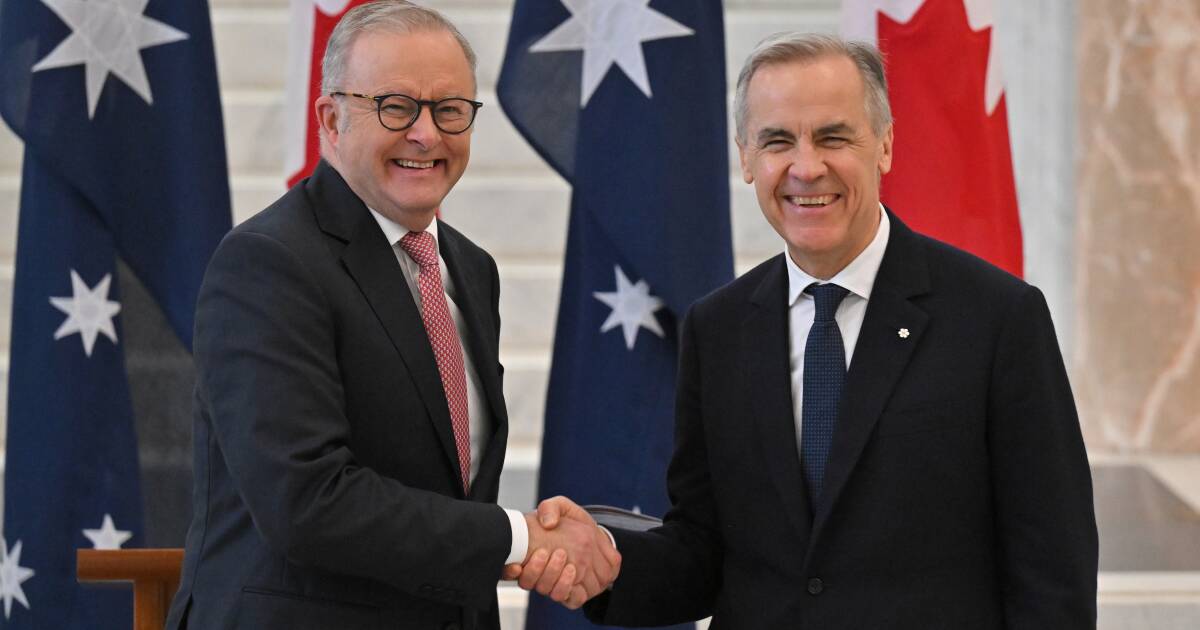

The recent address by Mark Carney, Prime Minister of Canada, to the Parliament of Australia emphasised the growing importance of cooperation among democratic middle powers in a rapidly changing global order.
His speech highlighted the need for nations such as Canada and Australia to work together to protect democratic institutions, strengthen economic resilience and uphold what is often described as a rules based international system.
Global Democratic Alliances
For many observers, particularly in the Indo Pacific region, the message was clear. In an era marked by geopolitical rivalry and strategic uncertainty, democratic countries must reinforce alliances and collaborate more closely in areas such as trade, security and technological development.
However, when viewed from the perspective of the Tamil people of Sri Lanka, the speech raises a deeper question. If democratic alliances are committed to protecting political rights and minority protections, how do these principles apply to unresolved national questions such as the Tamil political issue that emerged from the end of the Sri Lankan Civil War in 2009?
Historical Context of the Conflict
For decades the Tamil people in Sri Lanka pursued various political pathways seeking recognition of their collective political rights and meaningful self governance in the Northern and Eastern regions of the island.
Repeated failures of political dialogue gradually pushed the conflict toward armed confrontation which was later led by the Liberation Tigers of Tamil Eelam.
For nearly three decades the conflict dominated Sri Lanka’s political landscape and caused immense suffering across all communities.
The End of War and Political Transition
The war ended in May 2009 following a decisive military campaign by the Sri Lankan government. The final stages of the war were particularly devastating and resulted in significant civilian casualties, displacement and humanitarian trauma.
With the end of the war, the nature of the Tamil political struggle changed dramatically.
Armed resistance disappeared from the political landscape and the question of Tamil political aspirations moved into a new phase centred on political dialogue, constitutional reform and reconciliation.
Diaspora and International Expectations
During this transition, many expected that democratic countries with strong commitments to human rights would play a more proactive role in encouraging a political settlement.
Countries such as Canada and Australia host large Tamil diaspora communities that arrived as refugees during the years of war and have since contributed significantly to their host societies.
The Question of Political Reform
Following the end of the war, international engagement shifted toward reconciliation and post conflict reconstruction.
One of the key constitutional mechanisms frequently discussed is the 13th Amendment to the Constitution of Sri Lanka, which proposes a system of provincial power sharing.
However, more than three decades later, its full implementation remains incomplete.
Strategic Realities
Foreign policy decisions of democratic nations are shaped by broader strategic considerations including regional stability, economic interests and geopolitical partnerships.
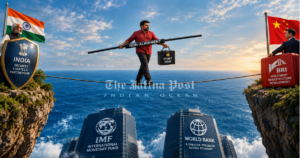
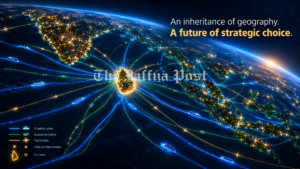
In the Indo Pacific region, Sri Lanka’s strategic location in the Indian Ocean means international actors often adopt cautious diplomatic approaches rather than confrontational political engagement.
The Path Forward
Today the Tamil political question has largely shifted toward democratic engagement rather than armed confrontation.
The future of Tamil political aspirations depends on political negotiation, institutional reform and inclusive economic development, particularly in the Northern and Eastern provinces.
Conclusion
The end of the war in 2009 closed one chapter of Sri Lanka’s history, but it did not resolve the underlying political questions that shaped the conflict.
True stability emerges not from victory over one another but from dialogue, democratic reform and a shared commitment to justice and coexistence.