
As we begin yet another year-end and witness the holiday calendars for the year ahead circulated once again, it is difficult to avoid a conversation Sri Lanka can no longer postpone.
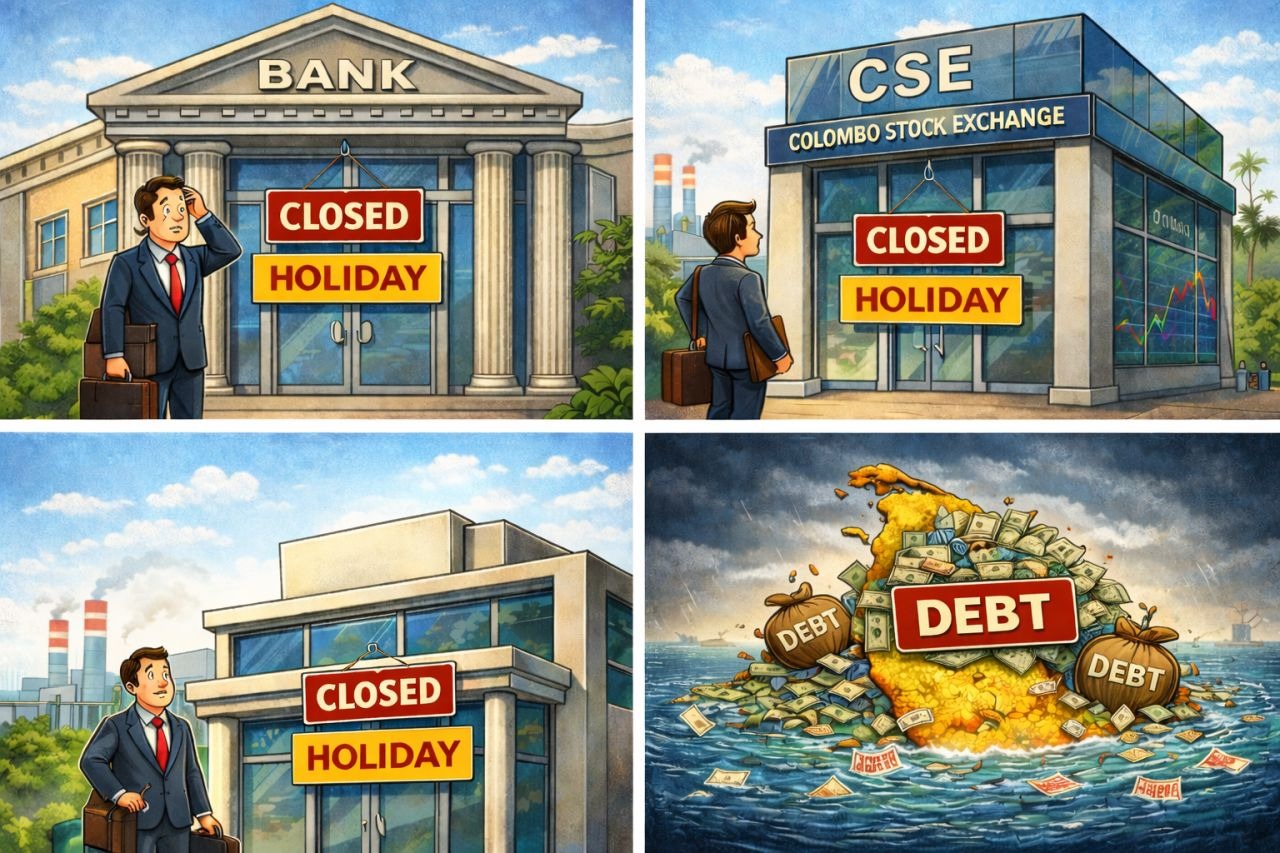
In 2026, in addition to 52 weekends, Sri Lanka will observe 25 declared public holidays, including a full economic shutdown on every Poya day alongside several other religious holidays across faiths. Sri Lanka has always rightfully respected religious observances. Poya days and other religious holidays hold deep spiritual significance for many, and that must always be honoured. That principle is not in question.
What does deserve reflection however, is whether legislating faith into a nationwide economic shutdown, month after month, is sustainable for a country attempting to emerge from a severe debt crisis.
The Economic Impact of Excessive Public Holidays in Sri Lanka
From a business and productivity standpoint, the cumulative impact of frequent public holidays is felt across multiple sectors, including:
- Small and Medium Enterprises (SMEs) and exporters
- Daily wage earners
- Tourism and hospitality
- Banks, financial markets, and public institutions
- Foreign Direct Investment (FDI) and overall investor confidence
Respecting Religion Without Halting the Economy
Respecting religion does not require the entire economy to stop. A practical, balanced alternative is possible. Those who wish to observe religious days should be free to do so — while working another day in lieu of the day taken. In this way, faith is respected, and economic continuity is preserved.
A similar contradiction exists in Sri Lanka’s approach to alcohol bans on holidays. While actively promoting Sri Lanka as a tourism destination, blanket restrictions are imposed that are, in reality, easily bypassed rather than genuinely respected — creating regulatory inconsistency without achieving the intended moral outcome.
Learning From Other Economies
Many countries with strong religious and cultural identities have learned to separate personal belief from public policy, allowing tourism, investment, and business to function within clear and respectful boundaries.
This discussion is not about disrespecting any religion. It is about recognising that faith is personal, while laws must serve a diverse, modern economy.
A Call for Urgent Structural Reform
As someone representing the business community, I respectfully urge the Government of Sri Lanka to urgently overhaul outdated systems and structures if the country is serious about:
- Escaping the debt trap
- Attracting sustainable Foreign Direct Investment (FDI)
- Retaining investor confidence
- Competing regionally and globally
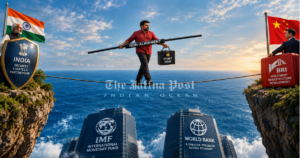
We cannot speak credibly about attracting investors while maintaining frameworks that actively discourage them. A prime example is our complex and unpredictable import duties and tax regime, which continues to deter long-term investments.
The Need of the Hour
This is the need of the hour. If not addressed decisively, these systemic issues will continue to chase away the very investors we are trying to attract.
Respect belief. Enable choice. Reform systems.
Let Sri Lanka move forward.