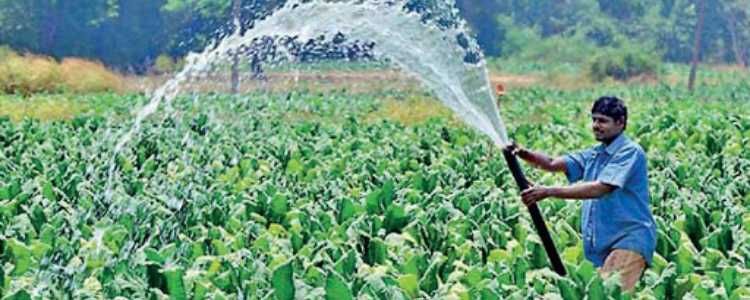

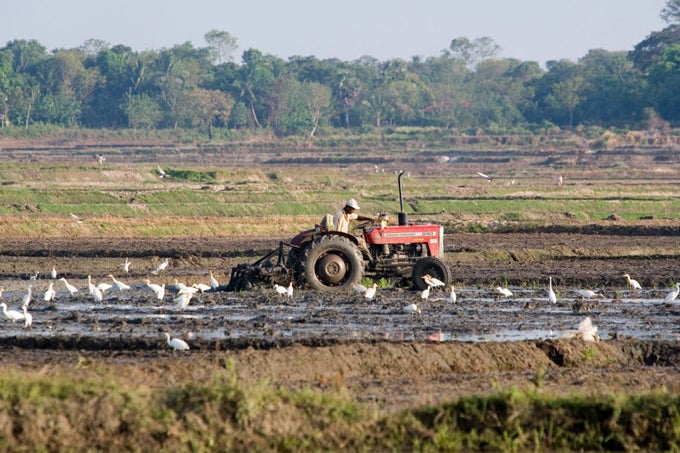
When we talk about Foreign Direct Investment (FDI) in Sri Lanka, sectors like tourism, apparel, or IT often dominate the discussion. Agriculture, however, tells a different story. Despite being one of the country’s oldest and most vital sectors, foreign investment in agriculture currently accounts for only 0.24% of sector-wise estimated investment (BOI Dashboard Jun 2025).
Beneath these low numbers lies an opportunity. Agriculture has the potential not only to generate economic growth but also to address food security, empower rural communities, and create jobs in regions that need them most, especially in the Northern Province, where I am actively involved in projects.
A shift is in progress. In recent months, I have witnessed encouraging progress:
Government engagement
In my discussions with the Deputy Minister Industrial and Entrepreneurship Development Chathuranga Abeysinghe, we addressed the challenges foreign investors face: lengthy bureaucracy, circular decision-making, and delays. Encouragingly, I have seen efforts to break this cycle, shorten timelines, and focus on outcomes. These are precisely the changes foreign investors have been asking for.
Board of Investment (BOI)
During the Investor Facilitation Coordinating Committee (IFCC) chaired by Treasury Secretary Dr. Harshana SuriapperumaI, I was pleased to see investment projects in the north being taken seriously. For a long time, the region’s potential has been overlooked. Now, there is recognition that attracting responsible foreign investment can bring not only capital but also know-how, networks, and market access.
Startup Events
I was also invited by Disrupt Asia and the Lankan Angel Network Start up Events. It was inspiring to see how agriculture and technology can be combined, and to meet young, motivated startup founders, including from the Jaffna District. Their energy and innovation show that the next generation is ready to bring fresh solutions to old challenges. It was good to see that tech-agriculture topics have a place in these conversations.
As one of the few active foreign investors in the North and in agriculture, I see not just obstacles but possibilities. With the right partnerships, Sri Lanka can position agriculture as a pillar of its investment strategy, just as important as tourism, IT, or manufacturing.
The government is listening. The BOI is engaging. And the private sector is stepping forward.