
The Jaffna peninsula is facing a serious water crisis as the same contaminated groundwater source is used for drinking, agriculture and sewage disposal. The intensification of agriculture, petroleum waste and urbanization in recent years have all further contaminated the groundwater, making it unfit for human consumption in many places in the Jaffna peninsula.
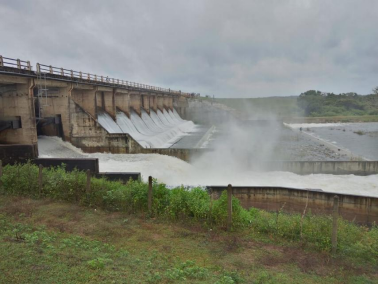
Access to safe and reliable water is fundamental—whether for drinking, domestic use, or food production. Enhancing water supply systems, improving sanitation, and adopting better water management practices can stimulate economic growth and play an indirect yet vital role in poverty reduction.
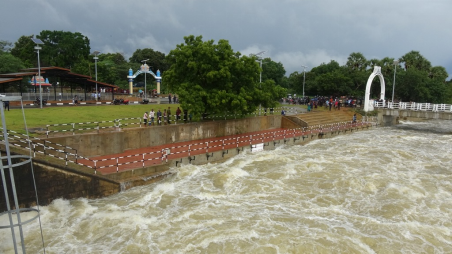
The surface water potential available within the Northern Province is sufficient for food production, domestic use and industrial use if it is managed properly in par with the Integrated Water Resource Management (IWRM) concept.
The Government of Sri Lanka has been actively developing water resources to enhance agro-economic productivity and social well-being. Given the agriculture sector’s critical role in food security and employment, it receives substantial government subsidies and assistance. However, such support mechanisms often distort resource allocation efficiency and encourage less productive farming practices.
New water augmentation projects face significant technical and economic challenges, making them less viable. Consequently, comprehensive conservation and efficient management of existing water resources must be prioritized.
The primary objective of water resource management is to ensure effective, equitable, and sustainable utilization of water, aligning with the social, economic, environmental, and political needs of both current and future generations.
This approach must also account for the growing demands of other critical sectors, such as manufacturing and services, which contribute substantially to the economy.
The Northern Province urgently requires a robust water allocation policy addressing its specific hydrological and agricultural conditions. A technically competent implementation body with independent oversight capabilities, free from sectoral service delivery conflicts is a must.

This structured approach would enable more effective water governance while supporting sustainable agricultural development in the region.
Provision for environmental, social, institutional and cultural water uses including entitlement for the poor and marginalized, need to be protected by reserving minimum storage volumes in the reservoirs. Maintenance of minimum water levels in reservoirs is important for inland fisheries also.
There should be a Provincial Water Resources Policy with a comprehensive approach to water resources while recognizing the characteristics and needs of all competing water use sectors. This requires a river basin and groundwater management plan.
As such, an Integrated Water Resources Management (IWRM) policy framework should be implemented under Provincial legislation through a coordinated institutional framework with the following objective.
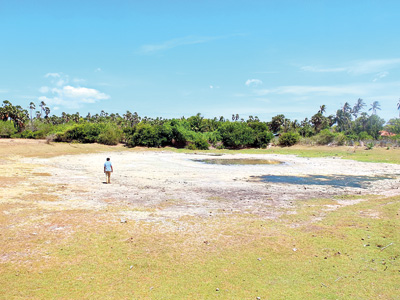
Provincial authorities should take meaningful steps to rehabilitate all minor tanks and temple ponds in the Jaffna Peninsula, with a view to recharge the groundwater as well as to ensure watering needs of cattle and other animals, subject to proper engineering advice.
All construction contracts in the Northern Province should contain specific clauses on landscaping (‘rehabilitating’) quarry sites and borrow areas on completion of the work.
Desalination of lagoons cannot be implemented without disturbing the socio ecological and environmental balance. The only possibility is partitioning of lagoons with various levels of salinity to maintain the socio ecological and environmental harmony. But this will help only to improve land productivity and is not a substitute for domestic water supply of an urbanizing area like Jaffna peninsula.
The Northern Province has sufficient water resources if managed under Integrated Water Resources Management (IWRM). By optimizing irrigation, diversifying crops, and enforcing strict allocation policies, surplus water can be redirected to domestic and industrial needs.
Immediate action is needed to address Jaffna’s groundwater crisis through sustainable alternatives like lagoon partitioning and strict pollution controls. Aligning with UN Sustainable Development Goals (SDG 6), this policy will ensure water security, economic growth, and environmental sustainability for future generations.
See the full report at https://www.jaffnapost.com/category/academic-paper/