An aircraft flying at night over the islets of Jaffna in the North West region of the Peninsula, will observe a richly illuminated island, and in the day time one will see hundreds of boats cruising towards that island carrying a large number of devotees from the Jaffna mainland.
The islet in question is none than the historic Nainativu islet which is spiritually significant to both Hindus and Buddhists in Sri Lanka.
There are seven islets located in the North West region of the ocean, known as the Sabtha (meaning seven in Sanskrit) Islands.
The largest of the seven islets is Delft, which was dominated by the Dutch when they colonized Jaffna. During Portuguese, Dutch and British occupation, all the Islets around Sri Lanka also remained under their control.
The annual Nainativu Nagabooshani Amman festival takes place in the middle of the year, the period which is the festival season for several places of worship, not only in the North but even in the Southern part of the Island.
The history of the temple dates back to the period of one of the five popular Tamil epics, Silappathikaram, which was composed by the poet Illanko in 5 CE.
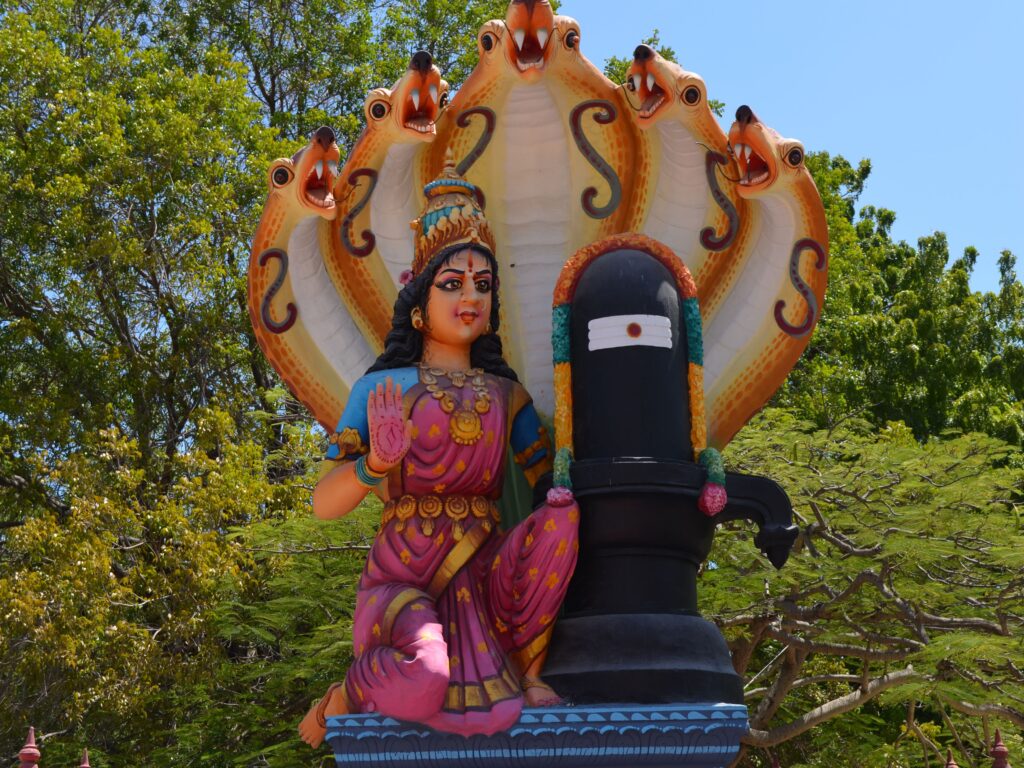
Spiritually, the temple is popular due to the story about a cobra who worshipped Parvati, the deity of Nainativu, bringing flowers daily by swimming across the sea. One day an eagle had obstructed the cobra and the snake had pleaded to the deity, who saved the snake and allowed it to proceed to the temple.
The miraculous blessing to the cobra by Parvati, made the devotees understand her spiritual power they later built a temple for her, Nainativu Nagapoosani Amman Temple, where presently the annual festival is taking place.
Even now during the festival season, cobras appear in certain areas in the vicinity of the temple. The devotees have been alerted by the temple management not to harm them, but to worship the reptiles.
The giant wooden chariot of the temple has several wooden sculptures depicting the history of the temple. A prominent sculpture highlights the manner in which the temple was destroyed by the Portuguese invaders in 1620 to propagate Catholicism, when they took control of the coastal areas of the island.
The Portuguese invaders took control of the temple and later pulled the chariot out of the temple and dumped it into the sea. The sculpture depicts the heinous act of the Portuguese, beautifully carved in the newly built chariot.
Even now, ardent devotees of the temple believe that during the low-tide period, the pinnacle of the old chariot which was pulled and dumped into the sea could be seen.
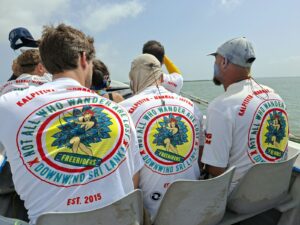
During the festival season hundreds of boats leave from the Jaffna mainland carrying devotees. The most famous of all jetties is located in Punkudutheeva, which is another island connected to the Jaffna mainland by land via the Pannai causeway and bridge.
Following the chariot festival, the boat festival takes place in the sea area around the temple, where the boat operators between Jaffna mainland and Nainativu island decorate their boats beautifully and take the deity in one big boat in procession in the sea.
It is with this boat festival that the islet shrine’s annual festival season concludes. Apart from the devotees, small time traders also participate in a big way during the festival season.
Devotees are requested to come to the temple with traditional dress, however the temple has strictly prohibited devotees from wearing expensive jewelry during the festival season due to security reasons. Additional bus and boat services are arranged for transport by road and sea. Naval boats, as well as the Police in the temple premises ensure the security and the safety of the devotees. Mobile phone usage, video and cameras are strictly prohibited in the temple vicinity.
The festival ceremonies take place in the morning and in the night. `Annathanam’ (free lunch) is provided for the pilgrims by affluent devotees and the temple management. Donations, including from expat Tamils abroad, are accepted to enable offering free meals to the attendees.
The sixteen-day festival of Nagabooshani (Nainativu) deity is considered a mega religious event which is a prelude to the Nallur Kanthaswamy temple in Jaffna in August.