
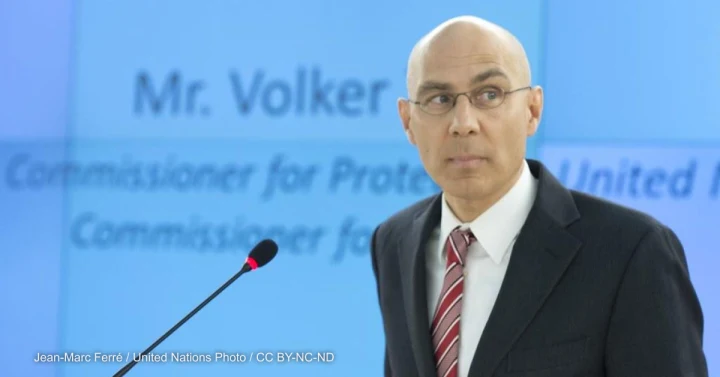
During UN Human Rights Commissioner Volker Turk’s recent four-day visit to Sri Lanka and his meetings with North and East Parliamentarians, Turk was briefed extensively on the lands grabbed for military purposes in the North and East.
Despite the North and East civil strife coming to an end in 2009, lands acquired for military purposes have not been released completely. Civilians were forced to leave their lands with the demarcation of High Security Zones during the turbulent days. The acquisition of lands in the North and East by the armed forces created a massive humanitarian problem with thousands of civilians having to leave their fertile agricultural lands and fishing hamlets.
Even after the end of civil strife, the lands acquired from the civilians as well as thousands of acres of state lands have remained with the Armed Forces, creating an impression that the North and East provinces exist as garrison land.
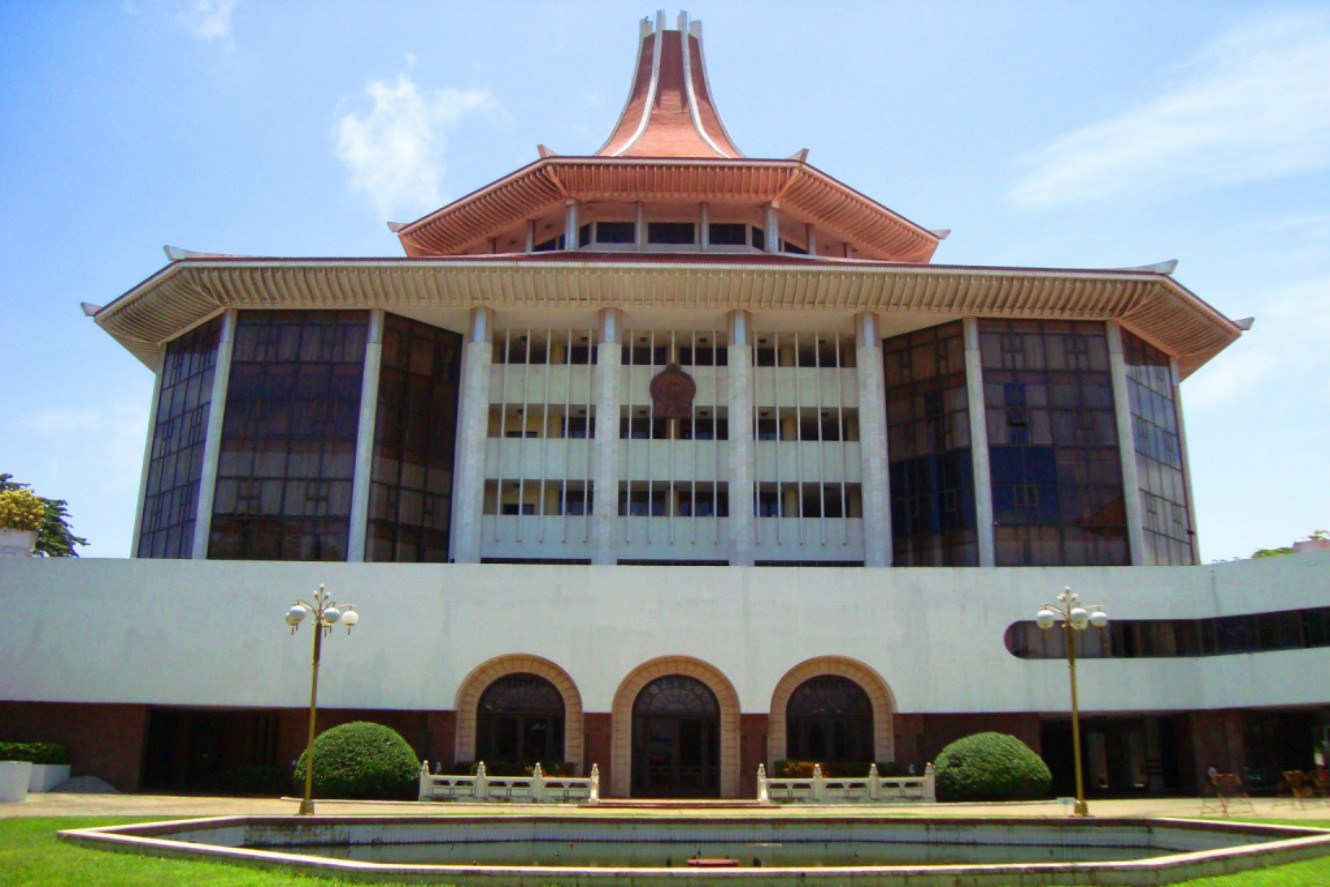
The Supreme Court stopped the land grabbing activities with a verdict delivered on June 27, 2025. However, it has been brought to the notice of the Supreme Court that the Government’s move to acquire land in the North and East regions is still continuing even 16 years after after the end of the civil war.
The Supreme Court ruling to stop land grabbing has stabilized the process of strengthening the reconciliation process, and led to the civilians in the North and East placing their confidence in the Government.
Many among the Tamil minority lost their land title deeds during the years of displacement, and the area was also hit by the Boxing Day tsunami of 2004.
The Supreme Court order concerning nearly 6,000 acres (2,428 hectares) of land came a day after UN Human Rights Chief Volker Turk ended a three-day visit, during which he urged the authorities to return private lands still occupied by the armed forces.
The UN estimates that at least 100,000 people died in the war, and that 40,000 of them from the North and East were killed during the battles between the armed forces and Tamil rebels.
Turk also asked Sri Lankan officials to investigate allegations of war crimes with the local judicial mechanism falling in line with international norms and to punish the perpetrators.
Successive Sri Lankan governments have refused internationally-backed investigations, and there has been no credible local accountability mechanism.
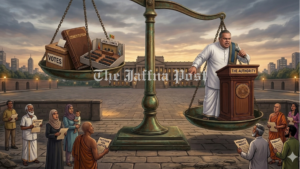
Former Tamil legislator M.A. Sumanthiran, who petitioned the court, said: “The government promised three months ago not to go ahead with acquiring private lands, but never took any action.” Sumanthiran said that about 3,000 acres of land is still under the control of the army.
Following a legal battle launched by former Parliamentarian Sumanthiran against the army’s land grabbing, the verdict of the Supreme Court has been considered as a landmark ruling to release nearly 6,000 acres of land illegally still in the possession of the army.
The court’s decision prevents land grabbing and even determines the fundamental rights of the North and East Tamil civilians.
The Supreme Court in its judgment has pointed out that the army’s occupation was not based on a legally sanctioned acquisition process, infringing upon the fundamental rights of the land owners.