The Tamil diaspora, one of the most widely dispersed and educated communities globally,
stands at a critical juncture. From Australia to Europe, Canada, and beyond, Tamils have
established themselves in business, academia, law, and medicine. Yet despite these
achievements, deep divisions stemming from Sri Lanka’s political history and conflict
continue to shape community dynamics abroad.
Historical Divisions and Political Fragmentation
The diaspora’s divisions are rooted in Sri Lanka’s turbulent past. Tamil political parties, often
prioritising party interests over collective strategy, and the emergence of armed groups
followed by infighting, have left lasting scars. Over time, some factions became violent,
silencing moderate voices and forcing vulnerable communities to accept imposed beliefs.
This history continues to affect the diaspora today. Many groups focus solely on their own
grief while overlooking the suffering of others, which perpetuates mistrust and
fragmentation.
Political Developments in Sri Lanka
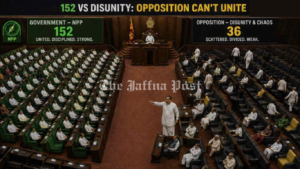
The political landscape in Sri Lanka is shifting. President Anura Kumara Dissanayake and the
National People’s Power (NPP) government have pledged reforms, including long-delayed
Provincial Council (PC) elections, full implementation of the 13th Amendment (13A), and the
drafting of a new constitution. For many in the diaspora, these measures are seen as crucial
steps toward genuine devolution of power and political justice.
However, Tamil political parties within Sri Lanka remain divided. Much of the discourse is
confined to rhetoric and internal competition, leaving the diaspora frustrated, as these
reforms represent perhaps the last real opportunity for political and economic progress in
the North and East.
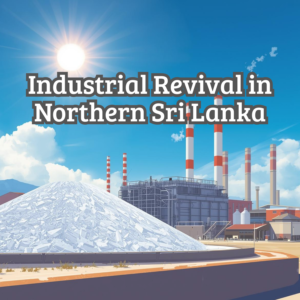
Development projects in infrastructure, fisheries, and tourism are similarly slow,
highlighting the urgency for diaspora engagement. The diaspora’s financial resources,
professional expertise, and international networks could play a decisive role in supporting
development and holding the government accountable.
The Next Ten Years: Division or Renewal
Looking forward, the Tamil diaspora faces two possible futures. Continued fragmentation
could weaken its political influence and disconnect younger generations from the Tamil
cause. Conversely, a united diaspora that embraces inclusivity, empathy, and collective
action could become a powerful global force, influencing policy, supporting sustainable
development, and preserving Tamil culture for future generations.
The choices made today will define the community for the next decade. If divisions persist,
the diaspora risks irrelevance. If unity around shared goals is prioritised, the Tamil diaspora
can stand resilient and influential, uplifting its people while advocating for justice and
dignity in Sri Lanka.
Diaspora Engagement is Key
The diaspora’s effectiveness depends on overcoming internal divisions and focusing on core
priorities. Engagement in political advocacy, investment in development projects, and
support for cultural preservation are essential steps. Without these, the diaspora may fail to
leverage its global presence at a time when Sri Lanka’s political reforms offer a historic
opportunity.
The next ten years are not just a challenge but a critical opportunity. By fostering unity and
collective purpose, the Tamil diaspora can turn past struggles into future strength,
influencing both local and international outcomes for Sri Lanka.
By Raj Sivanandan