
In Jaffna, three important roads remain significant for vehicular transportation. Those three roads begin from Jaffna city and connect other parts of the Peninsula.
The Kandy road which begins from Jaffna connects the Jaffna Peninsula with the Southern parts of the Island. It is the main access road to Jaffna from the South. The other two main roads Kankesanthurai road which is known as KKS road and Palaly Road, connect Jaffna city with the regional Airport in Palaly. A few years ago Palaly Airport was declared as Jaffna International Airport.
As far as Palaly road is concerned, the road had remained in a highly militarised atmosphere following the mine explosion which had killed thirteen soldiers at Thirunelveli on the Palaly road in July 1983. The massive explosion even led to the
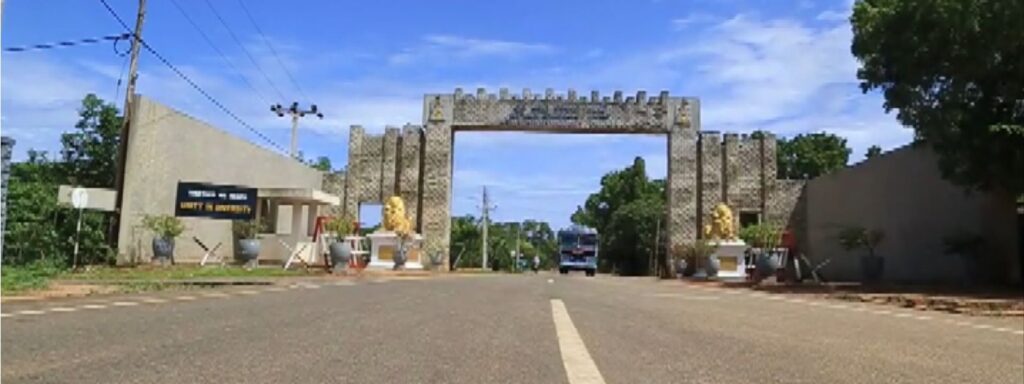
communal upheaval in the South followed by the lengthy civil war for nearly three decades. The Vasaavilan–Palaly road, covering a distance of 2.5 km close to the Palaly Airport and the Jaffna Security Forces Headquarters remained within the High Security Zone for the past 35 years until it was reopened for public transportation on April 10.
It was reported that the decision to reopen the route comes following persistent requests from local residents and the wider public.
Residents in Jaffna appreciate the decision taken by the NPP Government led by President Anura Dissanayake to reopen the Palaly road and described the move as a
constructive one towards strengthening the reconciliation process as well as enhancing the economy of the Jaffna Peninsula and the country at large.
Before the civil strife, the Palaly region remained popular since its airport was used by Air Ceylon domestically as well as to South Indian destinations such as Madras and Tiruchirappalli
A large number of Jaffna students who were following their higher studies at the Indian universities, as well as the people in Jaffna who went on pilgrimages to places of worship in Tamil Nadu had extensively used the Palaly Airport. However, with the beginning of the civil war, Palaly Airport and the adjoining areas turned into a garrison region with the formation of the Jaffna Security Forces Headquarters in Palaly.
The escalation of the war compelled the armed forces to expand the areas around Palaly Airport and demarcate the High Security Zone to prevent threats from the Tamil militants.
The areas surrounding Palaly Airport with its rich red soil had generated income for Jaffna farmers with the cultivation of grapes, plantains, and various types of vegetables.
At present, Palaly Airport has been declared as Jaffna International Airport and the Tamil diaspora of Jaffna origin living in Europe as well as in various other countries can now land straightaway away at Palaly Airport.
Giant military aircraft such as Hercules C- 130, Antanovs and various types of other aircrafts had landed on the runway during the war years and proved the eligibility of the Palaly runway to be on par with the runways in other parts of the world.
The road, which passes through a designated high-security zone and military quarters, will now operate under a strict set of security regulations. Authorities have stated that these measures are necessary to ensure the safety of both civilians and military personnel.
According to the new guidelines, the road will be accessible to the public daily from 6.00 a.m. to 5.00 p.m. Only light vehicles and passenger buses will be allowed to
operate, while heavy vehicles other than buses, bicycles, and pedestrians are strictly prohibited from using the road.
Travelers are required to carry valid identification and be prepared to produce it upon request at any time. Stopping, turning, or parking on the road is not permitted under any circumstances. Furthermore, photography and video recording
along the route have been banned.
The speed limit on the road has been set at 40 kilometers per hour, and motorists have been urged to adhere to all posted signs and regulations. A prominent notice board has been installed at the entrance of the road, outlining all rules and warning that legal action will be taken against violators.
By Ananth Palakidnar – 12.4.2025